Microsoft’s Virginia data centre expansion faces scrutiny over clean energy goals amid rising AI power demand.
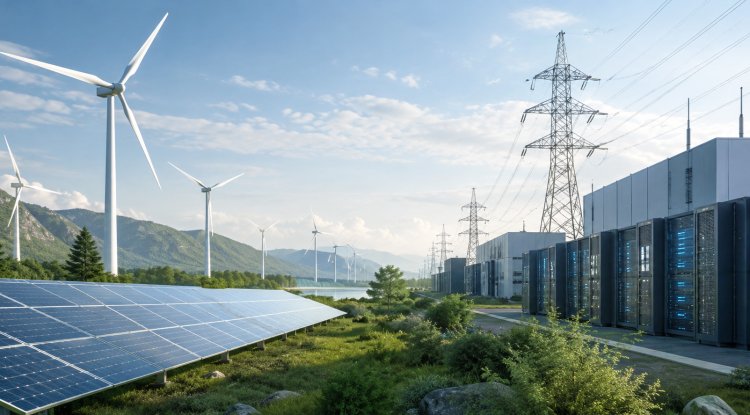
Microsoft is expanding its data centre operations in Virginia, but the company is facing increased scrutiny regarding its promise to match every hour of electricity use with zero-carbon energy by 2030. Questions have arisen about the company’s 24/7 clean energy goal. The growing demand from artificial intelligence (AI), cloud computing, and digital infrastructure is putting extra pressure on the state’s electricity grid.
The expansion of Microsoft’s data centres in Virginia has reignited discussions about how tech companies handle energy needs while aiming for climate goals. The increase in the state’s data centre sector could lead to higher power-sector emissions. This situation has raised concerns among environmental groups, investors, and policymakers regarding the long-term effects of new energy infrastructure.
Virginia Data Centre Growth Challenges Clean Energy Goals
Virginia has become one of the largest hubs for data centres in the world. Major tech companies are expanding their operations throughout the state. Microsoft has built a significant Azure presence in Mecklenburg County and Northern Virginia, with more growth expected as demand for digital services rises.
To meet its clean energy goal, Microsoft needs to match its electricity use with carbon-free power on an hourly basis by 2030. However, reports indicate that the company might rethink this target due to difficulties in securing enough clean energy for its expanding operations.
This issue highlights the struggle companies face in balancing swift technology growth with environmental responsibilities. Although renewable energy projects are increasing, the surge in electricity demand from data centres poses challenges for grid operators and utility companies.
Data Centre Boom Increases Pressure on Power Systems
The rise of AI and cloud computing has greatly increased electricity demand. Data centres need constant power to run servers and cooling systems, creating new challenges for areas trying to cut emissions.
Research from environmental analysts suggests that the growth of data centres in Virginia could lead to significantly higher power-sector carbon emissions than expected without the added electricity demand. This increase raises concerns that utilities might depend more on fossil fuels to meet rising needs.
This situation has sparked tension between economic growth and climate policies. While data centres help drive investment and bolster digital infrastructure, their energy requirements could complicate efforts to meet emissions reduction goals.
Debate Over New Gas Capacity and Climate Policy
The discussion has intensified after reports surfaced that Microsoft backed new natural gas proposals from Dominion Energy. Critics argue that adding gas infrastructure could hinder Virginia’s long-term clean energy plans under the Virginia Clean Economy Act.
Environmental groups worry that expanding fossil fuel-based electricity generation could create long-term emissions challenges. They believe increased investment in gas power might slow the shift toward renewable energy and raise future costs for consumers.
Utilities face the challenge of managing growing electricity demand while avoiding infrastructure choices that could lead to future regulatory and financial risks.
Corporate Climate Commitments Under Pressure
Microsoft has made climate action a significant part of its corporate strategy. This includes pledges to reduce carbon emissions and increase clean energy use. The company has previously said that businesses capable of moving quickly on climate action should take greater responsibility.
However, the situation in Virginia shows the difficulties of achieving ambitious climate targets in a rapidly changing energy market. Companies with large-scale digital infrastructure must consider renewable energy availability, storage capacity, grid reliability, and local energy policies.
The debate also points to a broader challenge for tech companies. As AI development speeds up, the demand for electricity is expected to rise, compelling companies to address how their growth fits with their environmental commitments.
Investors Monitor Energy and Climate Risks
The situation in Virginia exemplifies the broader risks associated with corporate climate commitments. Investors are increasingly assessing whether companies can uphold sustainability goals while expanding energy-intensive operations.
For tech companies, energy planning has become a crucial part of business strategy. Choices around renewable energy sourcing, grid partnerships, and infrastructure development can affect both environmental performance and operational stability.
Virginia’s experience could influence future discussions in other regions where data centre expansion is on the rise. The balance between digital growth and the clean energy transition is likely to remain a key issue as global demand for AI and cloud services continues to grow.
What's Your Reaction?