British Airways extends EcoCeres SAF supply deal through 2030, targeting 198,000 tonnes of avoided emissions.
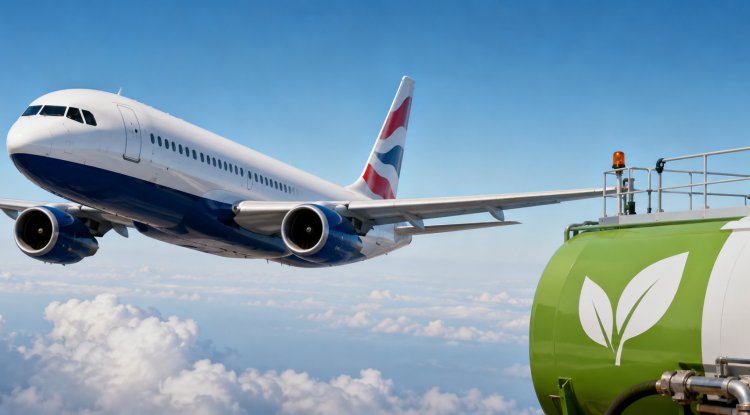
British Airways has extended its sustainable aviation fuel supply agreement with EcoCeres until the end of 2030. This move will improve access to lower-carbon fuel as the aviation industry faces mounting pressure to cut greenhouse gas emissions. The deal aims to help the airline reduce lifecycle carbon emissions while ensuring a steady fuel supply in a market where demand keeps outpacing production.
The extended partnership highlights the growing importance of Sustainable Aviation Fuel (SAF) in airline climate strategies. Under the agreement, British Airways will continue to source fuel from EcoCeres, a producer of renewable fuels made from waste-based feedstocks. The companies estimate that the agreement will help avoid about 198,000 tonnes of lifecycle carbon emissions compared to conventional fossil jet fuel. This development reflects broader trends in aviation's efforts to cut emissions as airlines seek practical solutions to meet climate goals before 2030.
Long-Term Fuel Supply Secured
The renewed agreement gives British Airways more certainty regarding SAF availability during a time of tighter environmental regulations and rising sustainability expectations from investors, customers, and policymakers.
According to EcoCeres, the volume of sustainable aviation fuel supplied under the agreement is expected to provide emissions savings equivalent to the carbon footprint associated with roughly 341,000 round-trip economy-class seats on direct flights between London and New York. This calculation compares the lifecycle emissions of renewable fuel to those produced by the same amount of traditional jet fuel.
Industry analysts see long-term contracts as increasingly important for both airlines and fuel producers. For airlines, these agreements help secure access to limited SAF supplies and support compliance with new regulatory requirements. For producers, they offer more confidence to invest in increasing production capacity.
Waste-Based Fuel at the Center of Emissions Reduction Efforts
EcoCeres produces sustainable aviation fuel using 100% waste-based feedstocks, including used cooking oil. The company claims that its SAF can cut lifecycle greenhouse gas emissions by up to 94.4% compared to fossil-derived jet fuel.
One of SAF’s main benefits is its compatibility with existing aviation infrastructure. Unlike some new technologies that need redesigned aircraft or airport systems, SAF can be mixed with regular jet fuel and used in current aircraft engines without major changes.
This compatibility has made SAF one of the most widely used short-term solutions for lowering aviation emissions. While it isn’t seen as a complete answer to the industry's climate issues, it is regarded as an important tool for reducing emissions as alternative technologies evolve.
Matti Lievonen, Chief Executive Officer of EcoCeres, said the agreement reflects both companies’ commitment to promoting lower-carbon aviation solutions and increasing the use of sustainable fuels in the sector.
Growing Importance of SAF in Airline Strategy
The aviation sector is one of the toughest industries to decarbonise due to its dependence on energy-rich liquid fuels and the long lifespan of commercial aircraft. While electric and hydrogen-powered planes are in development, widespread use for long-haul flights is still years away.
Because of this, airlines are increasingly including SAF in their transition strategies. Demand for the fuel has surged in recent years, driven by corporate climate goals, government policies, and heightened scrutiny of aviation emissions.
However, supply is still limited. Constraints such as availability of feedstock, high production costs, and certification requirements are hindering market growth. Industry stakeholders have repeatedly pointed out that expanding SAF production capacity is one of the key challenges in aviation’s efforts to cut emissions.
The extension of the British Airways-EcoCeres agreement shows how airlines are addressing these issues by securing supply through multi-year partnerships.
Regulatory and Investment Implications
Governments in various regions are introducing policies to speed up SAF adoption, including blending mandates, tax incentives, and emissions reduction targets. These actions are expected to further boost demand in the coming years and heighten the need for secure fuel supplies.
For airlines, long-term SAF agreements are becoming more than just environmental commitments. They are increasingly seen as part of broader risk management and procurement strategies that can help companies prepare for future regulatory challenges and lessen exposure to transition risks.
Investors are also closely watching developments in the SAF market. Companies that can secure sustainable feedstocks, scale production, and comply with international sustainability standards are expected to play an important role in the industry's shift to lower-carbon operations.
Industry Focus Shifts Toward Implementation
The agreement between British Airways and EcoCeres shows how sustainable aviation fuel is progressing from pilot programs and limited deployments to larger-scale commercial use.
As the aviation industry works toward its long-term climate objectives, partnerships between airlines and fuel producers are likely to become increasingly significant. While challenges such as supply, cost, and infrastructure still exist, long-term agreements like this one indicate a rising emphasis on implementation and emission reductions before the decade ends.
For British Airways, the renewed partnership enhances access to renewable fuel supplies. For the wider aviation sector, it highlights the growing role of waste-based sustainable aviation fuel in reducing emissions and promoting lower-carbon air travel.
What's Your Reaction?