The successful passage of nearly a dozen fertiliser vessels through the Strait of Hormuz has eased immediate supply concerns, though geopolitical risks continue to threaten global trade routes.
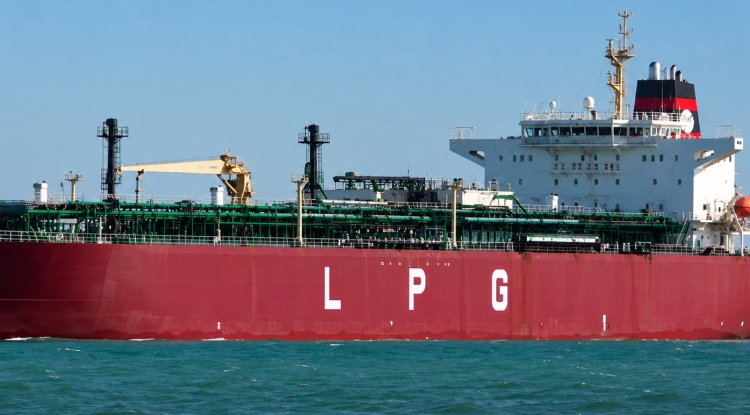
Global fertiliser supplies received a much-needed boost after nearly a dozen cargo vessels carrying fertilisers successfully crossed the strategically important Strait of Hormuz, easing concerns over a prolonged disruption in agricultural supply chains. The movement of these ships comes after weeks of uncertainty caused by tensions in the Middle East, which had slowed maritime traffic through one of the world's most critical trade routes.
As per industry analysts, about 10 to 12 ships that had been delayed in the area due to fertilizer cargo have now begun their voyages. This situation has helped ease concerns regarding the immediate shortage of supplies, as well as has begun to exert downward pressure on urea prices internationally.
However, experts warn that the scenario is precarious. The movement of ships through the Strait of Hormuz still faces disruption due to continued geopolitical tension, while the movement of ships is still lower than usual. Some shipping firms are continuing to be cautious because of security risks and increased insurance premiums.
Why This Matters for Global Agriculture
The Gulf is of utmost importance to the international fertiliser industry since it contributes significantly to the export of urea and ammonia. The passage of the majority of fertiliser trade in the world usually occurs through the strait of Hormuz. Any disturbance in this route would have an immediate impact on the availability of fertilisers and consequently food prices in places such as India.
While ship traffic has begun to recover, fertiliser manufacturers and distributors argue that the supply chain will not be able to recover instantly from the shock it faced. It will take some time for production, transport and shipment to get back on track. The industry expects it to take a couple of months for recovery.
Bigger Picture
The reopening of fertilizer shipments will certainly be seen as a positive development by farmers and other nations who rely on imports before the upcoming planting seasons. Nevertheless, the Strait of Hormuz continues to be a point of tension in world politics, and any further escalation may lead to disruptions in energy and fertilizer supplies. For now, the success of the voyages brings some relief to the market.
What's Your Reaction?