Saudi Arabia’s 105-mile mirrored megacity, The Line, is under fire for threatening migratory birds and ecosystems as engineers race to balance futuristic design with urgent conservation needs.
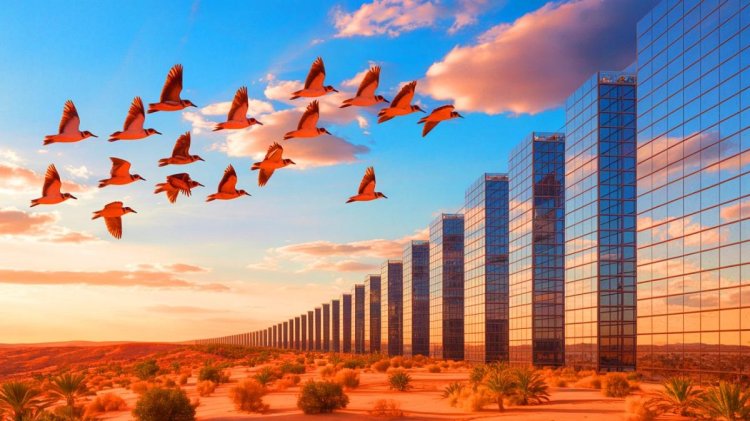
Saudi Arabia's $500 billion NEOM project, The Line, is a 105-mile mirrored megacity planned to change the Tabuk desert. It shows how much humans want amazing new city designs, but it also brings up big This design, with a structure stretching 170 km (about 105 miles), 500 m high, and just 200 m wide, promises no cars, no streets, and no carbon emissions, housing nine million people with everything they need within a five-minute walk. But as they build it, conservationists are warning that the city's big plans could seriously hurt the environment, especially for billions of migrating birds.
The Promise and Paradox of The Line
The Line is a key part of Saudi Arabia’s Vision 2030, an effort to move away from oil and toward innovation. It’s a futuristic design, with a mirrored outside that reflects the desert, sort of blending in with nature, but it also cuts right through untouched wilderness. The plans include an AI-controlled, renewable-powered city with hanging gardens, fast trains, and walkable areas inside giant glass walls. Even the most daring city-building ideas from China and Silicon Valley don’t compare.
Even though it’s advertised as an ecotopia, The Line is right on top of one of the biggest bird migration routes in the world—the Red Sea flyway—used by about 2 billion birds each year. Its continuous vertical face, running for over 100 miles, is a big risk. Environmental groups and bird experts warn that the wall’s reflection could confuse, tire out, and kill many migrating birds. Birds already die from hitting glass on buildings each year, but those are usually smaller buildings.
Voices of Alarm and Conservation
One headline said, Saudi Arabia’s 105-mile desert skyscraper may wipe out entire bird species. Biologists are scared of lots of birds dying and species disappearing, including birds that are already at risk and take very long trips from Eurasia to Africa. BirdLife International and local groups point out that The Line is next to important oases and wetlands that tired birds depend on, which could mess up their migration, breeding, and feeding patterns, affecting whole ecosystems.
There are also worries about animals on the ground. The city’s length and mirrored wall could block their migration and access to shade, food, and water. Conservationists are asking the project's creators to rethink their materials, use bird-friendly designs, like patterns or breaks in the wall, and protect wildlife corridors to cause less harm.
Construction Challenges and Delays
Besides the risk to wildlife, The Line is having major construction and logistical problems. Reports show that only a small amount of the planned nine million residents will likely live there by 2030, with some estimates saying less than 300,000 people. The project, which was supposed to be done by 2030, is now expected to take until mid-century or later because the teams are dealing with extreme conditions, rising costs, and difficult engineering demands. Digging, securing, and building such a big mirrored structure on desert ground, while keeping plant, water, and cooling systems working, has been very hard.
Reconciling Progress With Preservation
The Line is now a global example of the conflict between wanting new tech and protecting nature. Will a project meant to be a model for sustainable living end up causing species to disappear? Can we build huge cities in important natural areas without causing permanent damage?
Some international observers and even Saudi officials see the need to make changes—improving eco-design, shortening the length, adding bird-safe measures, or making sure there are real wildlife corridors. But as costs go up and the world watches closely, the tension between wanting to build and protecting nature is growing.
Conclusion: Lessons for Global Megaprojects
City planners, and conservationists worldwide are watching The Line to see if 21st-century cities can expand into wild areas without ruining irreplaceable ecosystems. If not, critics say the project’s mirrored utopia could become a warning about unchecked progress.
Right now, the future looks both amazing and uncertain. We don’t know if the birds or the skyscraper will win, and it might depend on whether the people in charge are willing to listen to nature while chasing their city dreams.
What's Your Reaction?