Formula 1 reported a 35% reduction in its carbon footprint compared with 2018 levels, citing lower emissions from travel, logistics, facilities and race operations as it works toward its 2030 net-zero target.
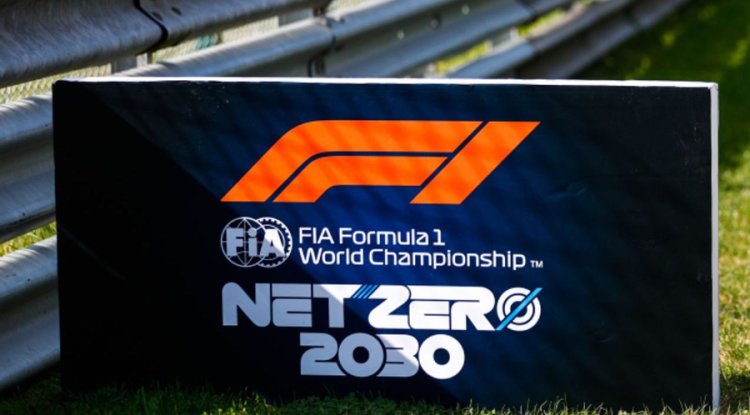
Formula 1 reduced its carbon footprint by 35% between 2018 and 2025, according to figures published in its latest Impact Report.
The reduction covers emissions from travel, logistics, race operations, broadcasting and facilities. The figures were released as Formula 1 updated its progress towards its target of reaching net-zero carbon emissions by 2030.
Travel emissions fell by 27% from 2018 levels, a reduction of more than 21,000 tonnes of carbon dioxide equivalent (tCO2e). The report linked part of the decrease to increased use of sustainable aviation fuel (SAF).
Logistics remains one of the largest sources of emissions within the sport. Formula 1 reported greater use of sea freight and regional freight hubs in place of air transport. The organisation also recorded its first investment in sustainable maritime fuel.
Emissions from factories, facilities and offices associated with Formula 1 teams declined by 64% compared with 2018 levels.
At European race events, organisers used hydrotreated vegetable oil (HVO), solar power and battery systems to support race operations. According to the report, those measures reduced emissions by 17% on a per-race basis.
The report includes emissions data covering operational activities across the championship, including travel, freight transport, race promotion, broadcasting and facilities.
Formula 1's net-zero target applies to emissions generated across its operations and event activities by 2030.
The report also details planned changes to freight operations, fuel use and race scheduling. Calendar revisions scheduled for the 2026 season are included among measures identified by Formula 1 in its emissions reduction programme.
The figures were published in Formula 1's annual Impact Report, which records environmental performance data across the sport.
What's Your Reaction?