UK Government Selects 27 Green Hydrogen Projects in Clean Energy Drive
The UK government has shortlisted 27 green hydrogen projects under its Hydrogen Allocation Round 2 (HAR2) to help decarbonise high-emission industries such as ammonia production, brick and glass manufacturing, clean power generation, and sustainable aviation fuel. The initiative supports the UK’s net zero targets, energy security, and economic growth, with £400 million in private investment already secured and expectations of surpassing £1 billion by 2029. Projects like the Aldbrough Hydrogen Pathfinder and Selms Muir Hydrogen Hub are key highlights. The move is expected to create jobs and position the UK as a leader in clean energy across Europe.The UK shortlists 27 green hydrogen projects to decarbonise industries and boost energy security, aiming for £1B private investment by 2029.
UK Government Shortlists 27 Green Hydrogen Projects to Accelerate Industrial Decarbonisation
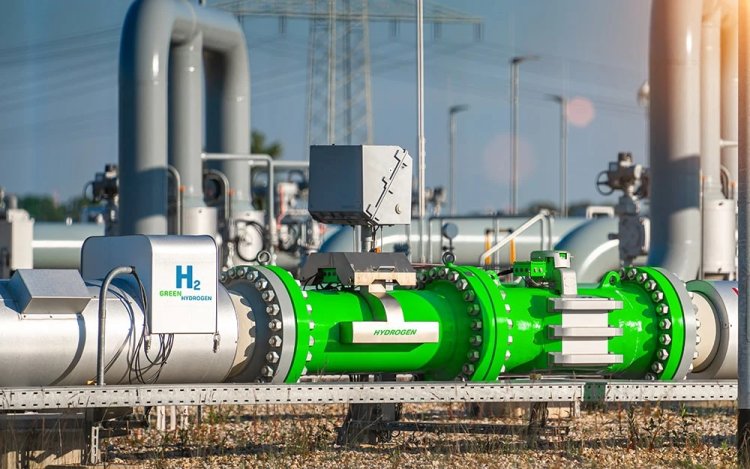
The UK government has advanced its hydrogen strategy by shortlisting 27 green hydrogen projects as part of the second phase of its Hydrogen Allocation Round 2 (HAR2). This move aims to decarbonise a range of carbon-intensive industries, support energy security, and drive economic growth by promoting hydrogen as a clean fuel alternative to fossil fuels.
The selected projects span across multiple sectors, including ammonia production, brick and glass manufacturing, sustainable aviation fuel (SAF), and clean power generation. These sectors are traditionally dependent on high-emission fossil fuels, and the transition to hydrogen is intended to support the UK’s long-term net zero targets.
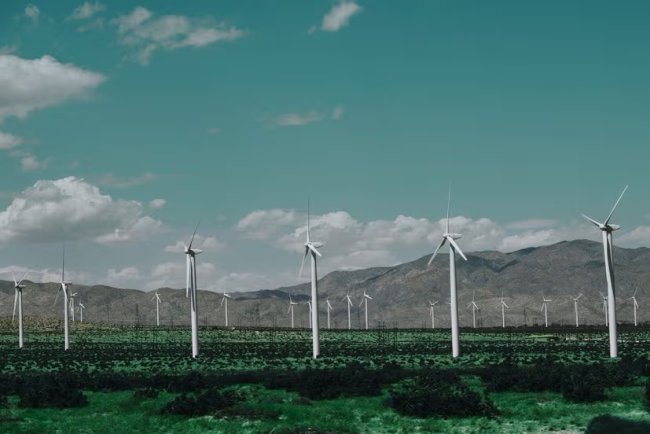
Hydrogen offers a flexible energy solution, particularly in enabling the storage and supply of power during periods when renewable sources such as wind and solar are unavailable. This role is becoming increasingly important as the UK expands its renewable energy capacity. In 2024, wind energy alone accounted for 30% of the country’s power generation, according to the National Energy System Operator (NESO).
Among the shortlisted projects is the Aldbrough Hydrogen Pathfinder in East Yorkshire. This facility will integrate hydrogen production, storage, and power generation within a single site and is expected to be the UK’s first 100% hydrogen-fired power station by 2030. Another notable initiative is the Selms Muir Hydrogen Hub in Scotland, which will combine solar power generation with green hydrogen production to supply renewable energy.
The government initiative is designed to attract private sector investment into the hydrogen economy. To date, approximately £400 million in private investment has been secured, supporting economic development in regions such as Milford Haven in Wales and High Marnham in Nottinghamshire. The ongoing expansion of the hydrogen sector is projected to bring in over £1 billion in private investment by 2029.
In addition to reducing greenhouse gas emissions, the projects are creating employment opportunities. So far, around 700 new jobs have been created in construction and operations, with more expected as additional projects move forward. The investments are also aimed at revitalising industrial regions and supporting the UK’s broader clean energy transition.
The government’s hydrogen strategy is part of its Plan for Change, which outlines a roadmap to achieving energy security while reducing reliance on fossil fuels. Hydrogen is expected to play a central role not only in industry and power generation but also in areas like public transport and fuel supply chains.As these projects move into the next development phase, they are expected to demonstrate the feasibility of using green hydrogen at a commercial scale. The development and deployment of hydrogen infrastructure are crucial to ensuring the UK remains competitive in the global clean energy sector.
Conclusion:The shortlisted projects were selected based on their potential to deliver environmental benefits, technological viability, and regional economic impact. The Hydrogen Allocation Round 2 forms part of the broader UK Hydrogen Strategy, which aims to deliver up to 10GW of low carbon hydrogen production capacity by 2030, with at least 5GW coming from electrolytic hydrogen.These advancements are aligned with global efforts to phase out fossil fuels and accelerate clean energy production. Green hydrogen, produced through electrolysis powered by renewable energy, emits no carbon emissions during use and is considered a key component in achieving climate goals.This latest announcement underscores the UK’s commitment to fostering a hydrogen economy that supports both environmental objectives and industrial innovation. As the projects progress, the government and private sector are expected to collaborate closely to scale production, improve efficiency, and ensure integration with the wider energy system.
Source: Renews
What's Your Reaction?