The UK’s HS2 project reveals both the immense potential and practical costs of hydrogen-powered construction, spotlighting the need for careful planning in large-scale decarbonisation.
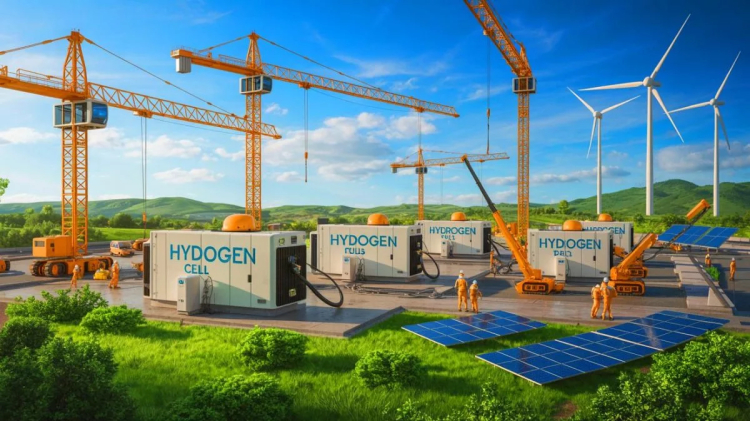
Hydrogen in Construction: Promise vs Reality
The £3.6 billion controversy surrounding hydrogen’s role in the UK’s HS2 rail megaproject exposes both the promise and challenges of deploying green technologies in large infrastructure. Initially billed as a solution to reduce carbon emissions and support zero-emission construction sites, the hydrogen strategy faced setbacks as costs soared and supply chain delays undermined targets.
Project Background and Cost Breakdown
HS2 aimed to pioneer hydrogen-powered equipment across several construction compounds, touting unprecedented emission reductions. However, cost overruns, lack of reliable supply, and technical integration issues led the programme to fall short, with only a fraction of planned hydrogen deployments realised.
Critics argue the high price tag did not translate into proportional carbon savings, and supply chain immaturity—limited hydrogen production and logistics—compounded problems. Market observers now call for detailed cost-benefit analysis and staged rollouts before scaling hydrogen construction nationwide.
Lessons for Infrastructure and Decarbonisation
HS2’s experience offers lessons for future projects: technological enthusiasm must be matched with economic realism, robust supply infrastructure, and clear regulatory standards. The green construction transition is a long-term goal, not an overnight achievement.
Policy-makers advocate public investment in hydrogen generation and transport, improved planning, and site-specific strategies for maximum environmental benefit.
Conclusion
HS2 demonstrates both the opportunity and challenges of integrating hydrogen into construction, showing the need for balanced ambition, transparent costs, and better-developed supply chains.
What's Your Reaction?