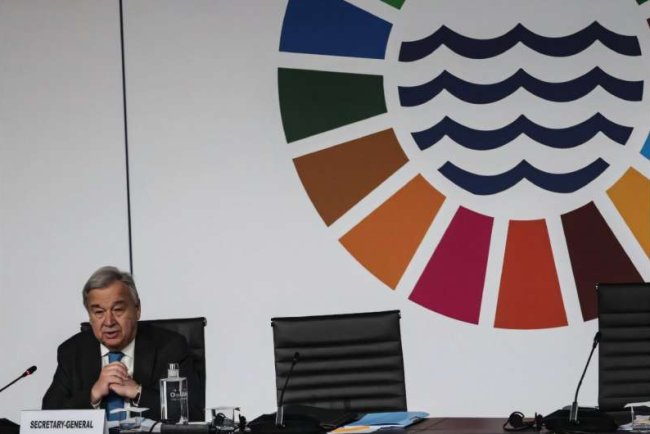
The United Nations' first carbon credit transactions under the Paris Agreement have sparked debate over environmental integrity, emissions accounting and the protection of local communities.
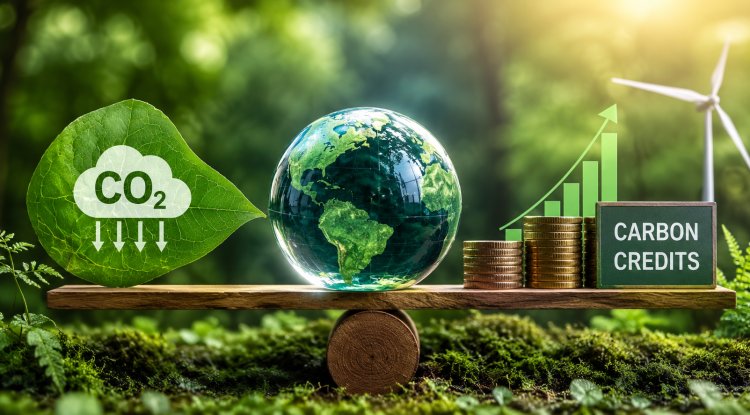
The United Nations' first sale of carbon credits under the Paris agreement is facing criticism from environmental and human rights groups over concerns about risks to local communities and for potential to undermine climate action if it is not properly strengthened.
This year the first carbon credits under the Paris Agreement were distributed, as part of Article 6 of the agreement, under which countries can trade emission reductions through internationally transferred mitigation outcomes (ITMOs). Supporters argue that the mechanism can deliver low-cost emission reductions and direct investment to countries with growing climate action needs. Other observers claim it can channel much needed resources into forestry and sustainable development as well as clean energy projects.
But with early results from the pilot credits, civil society groups and climate researchers have raised big question about environmental integrity and social impacts. One common objection is that some credited emissions reductions may have occurred even without the carbon credit mechanism.
Some observers say argue weak measurement, reporting and verification (MRV) systems that are being submitted for climate progress could result in overcounting such emissions and allow rich nations to show progress in climate action but without real action on greenhouse gas emissions.
Poor design of carbon trading projects can harm the people living in the project areas, say human rights workers. Their point include history where communities were not involved in decision-making processes, land access was denied, or traditional livelihoods affected by land-use and forestry projects. These risks must be addressed through stronger standards that respect rights, ensure free, prior and informed consent (FPIC) and support equitable benefit-sharing, they say.
The proponents of the Paris carbon market recognize the difficulties, but contend that they can be overcome by strengthening the rules, increasing transparency and introducing enforceable social and environmental safeguards within the operational rules of Article 6. They stress that carbon markets are not a standalone solution to catalyse the rapid decarbonisation of the economy and scale up climate action.
The debate highlights the discussion that shows the potential conflict between the expansion of global climate finance with the need to ensure that carbon markets produce real, measurable and socially equitable emissions reductions as negotiators continue to discuss more rounds of climate talks and detailed rule-making on carbon markets.
What's Your Reaction?