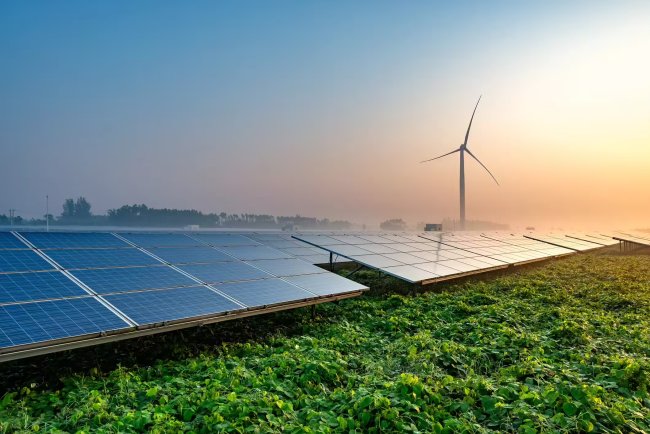
The US solar industry faces an 18% decline in deployment in 2025 due to policy challenges, despite record demand and manufacturing growth.
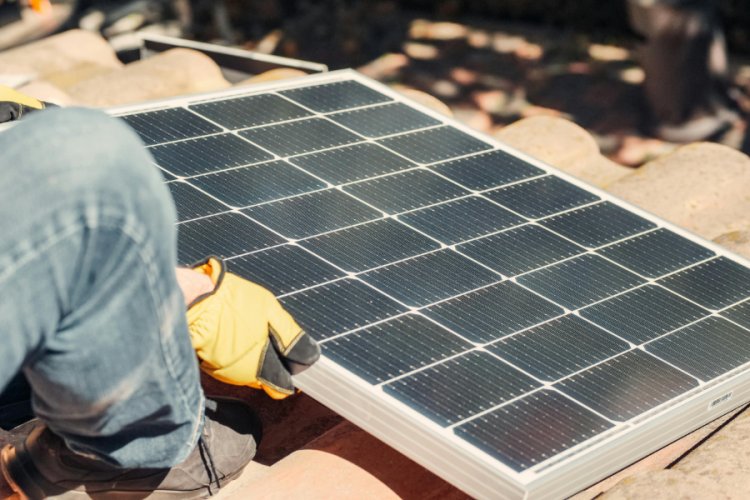
The US solar industry is facing one of its most challenging periods as new projections indicate that civil solar deployment could fall by 18% in 2025. In the first half of the year, the industry managed to install around 18 gigawatts of new capacity, a significant milestone that highlights growing demand for renewable energy. Still, anti-clean energy policies put forward by the Trump administration have created uncertainty in the sector, undermining investment confidence and altering projections for the rest of the year. According to recent findings published in the US Solar Market Insight Q3 2025 report, the sector could see a potential shortfall of 44 gigawatts in planned deployment by year-end if current conditions continue. The report also noted that, by 2030, overall deployment could be 55 gigawatts lower than earlier forecasts, representing a 21% long-term decline.
Despite these setbacks, solar power remains a critical contributor to America’s energy mix. In the first half of 2025, solar and solar storage systems accounted for 82% of all new power capacity added to the national grid. This figure underlines the rising importance of solar in delivering low-cost, reliable power both to homes and businesses, reinforcing its role as a central pillar of the nation’s future energy strategy. Industry experts note that the cost-effectiveness of solar power, coupled with its ability to enhance grid stability, makes it a clear choice for energy expansion across multiple states.
The debate intensifies because much of the recently added solar capacity this year has come from states that voted in favour of former president Donald Trump. In fact, data shows that more than three-quarters of installations so far in 2025 have taken place in Democratic-leaning states, including eight of the top ten states contributing new systems: Texas, Indiana, Arizona, Florida, Ohio, Missouri, Kentucky, and Arkansas. This creates a notable contradiction where federal policies appear to be impeding the very regions that are witnessing the fastest growth in solar energy. With domestic demand remaining robust, the pressure continues to mount on policymakers to support rather than hinder the renewable energy transition.
A major development this year has been the expansion of solar module manufacturing capacity in the United States. Between January and June 2025, about 13 gigawatts of new module capacity were added to the domestic market, particularly in states like Texas, Indiana, and Minnesota. This expansion has raised overall domestic solar module production capacity to an estimated 55 gigawatts. Industry observers emphasise that this growth demonstrates increasing investment in American manufacturing infrastructure, a trend that is essential for energy independence and job creation. Despite these advances, the sector faces challenges, as there have been no upstream manufacturing investments recorded in the latter half of 2025. Analysts warn that without a stable regulatory environment, this upward trend in domestic manufacturing could quickly stall.
The introduction of new federal legislation, including measures under HR1—referred to as the One Big Beautiful Bill Act—has been another source of disruption for renewable energy deployment. Analysts highlight that the provisions included in this legislation have increased uncertainty and complicated the permitting process for large-scale solar projects. A confusing regulatory environment makes it more difficult for companies to commit to long-term investments and increases the risk of delays in project execution. The industry is already witnessing significant adaptation in response to these measures, with the prospect of further restrictions creating new challenges for future growth.
Nonetheless, demand for solar installations continues to outpace projections at both state and federal levels. Market data shows that both households and businesses are prioritising clean energy as a practical choice that lowers costs over time and ensures access to reliable power supplies. Rising consumer awareness and the desire for domestically produced energy also provide strong foundations for sustained progress. Industry experts argue that this market demand, driven by both affordability and reliability, will remain resilient even in the face of obstructive federal policies.
What remains clear is that the solar sector embodies both economic and energy resilience. The ongoing expansion in states across the political spectrum indicates that solar and storage technologies hold bipartisan appeal, especially when tied directly to job creation, infrastructure development, and energy security. Proponents emphasise that solar is not only essential for environmental reasons but has also become an integral part of the American economy. This position is supported by its role in stabilising energy costs during periods of energy demand volatility.
Looking ahead, the trajectory of the solar industry will depend heavily on the regulatory and policy framework that develops over the coming months and years. While federal resistance has generated headwinds for deployment, domestic demand and private sector determination continue to drive the market forward. The expansion of solar manufacturing facilities and high levels of grid connectivity for renewables suggest that the underlying growth drivers remain strong.
Industry leaders maintain that more must be done to remove regulatory hurdles and restore investor confidence. A slow permitting process and inconsistent policy signals threaten not only immediate deployment but also the broader capacity of the sector to scale effectively to meet 2030 targets. Without a clear and reliable federal roadmap, businesses risk facing delays and reduced profitability, which could in turn slow the overall transition to clean energy.
At the same time, the growing share of solar power highlights the urgency of resolving political challenges quickly. As the largest share of new energy capacity added to the grid, solar and storage together are shaping America’s energy landscape at a transformative pace. Successfully navigating this transition will require collaboration across governmental, industrial, and community stakeholders. The market has already demonstrated its preference for solar solutions, leaving the responsibility on policymakers to align strategies in support of continued growth.
The US solar industry therefore finds itself at a crossroads in 2025. On the one hand, the sector has delivered record growth, both in power generation and manufacturing, reaffirming its value to the economy. On the other hand, shifting political priorities and uncertain policy design continue to hold back its full potential. The current year may see slower deployment overall, but the enduring demand for renewable power, paired with the resilience of domestic markets, suggests that the push toward solar energy is far from over. For investors, consumers, and clean energy advocates, the message is clear: despite obstacles, solar power remains firmly embedded in America’s energy future.
What's Your Reaction?