A cloudburst in Uttarkashi, Uttarakhand, caused flash floods, leaving dozens missing, including army personnel, and destroying infrastructure, highlighting the region’s climate vulnerability.
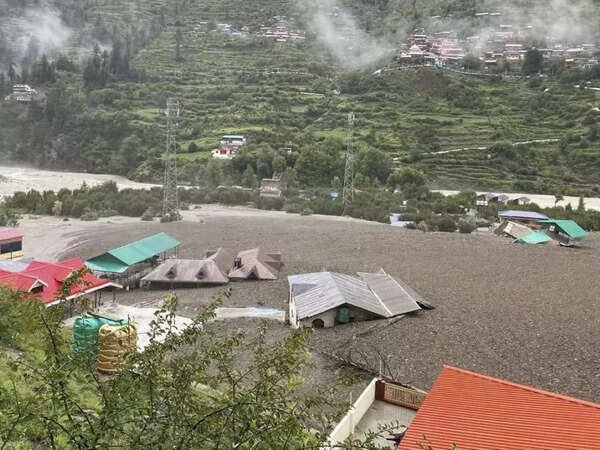
A devastating cloudburst in Uttarkashi, Uttarakhand, triggered flash floods, leaving dozens missing, including army personnel, and causing widespread destruction in the Himalayan region.
On 31 July 2025, a cloudburst in Uttarkashi’s Mori tehsil unleashed flash floods that swept away homes, hotels, and infrastructure in villages like Dharali. The disaster struck late at night, catching residents unprepared. Over 50 people, including army personnel stationed in the area, were reported missing, with rescue operations hampered by damaged roads and continuous rainfall. The Indian Army, National Disaster Response Force (NDRF), and State Disaster Response Force (SDRF) deployed teams to search for survivors and provide relief.
The floods destroyed key infrastructure, including bridges and roads, isolating remote villages. The Bhagirathi River, swollen by torrential rains, inundated low-lying areas, exacerbating the damage. Local authorities reported significant losses to agriculture and livestock, critical to the region’s economy. The cloudburst followed a pattern of extreme weather in Uttarakhand, with recent landslides and floods linked to climate change and unplanned development in the fragile Himalayan ecosystem.
Rescue efforts face challenges due to the region’s rugged terrain and unstable slopes, prone to landslides. The state government has opened temporary shelters and distributed relief supplies, but connectivity issues hinder aid delivery. The India Meteorological Department (IMD) warned of continued heavy rainfall, raising fears of further flooding and landslides. Experts highlight the need for better disaster preparedness and stricter regulations on construction in vulnerable areas.
The disaster underscores Uttarakhand’s vulnerability to climate-driven extreme weather. The state has seen recurring floods, with a 2021 glacial lake outburst killing over 200 people. Strengthening early warning systems and sustainable development practices is critical to reducing future risks. The government has promised compensation for affected families, but long-term recovery will require significant investment.
In conclusion, the Uttarkashi flash flood highlights the growing threat of extreme weather in the Himalayas. Urgent action to enhance disaster response and regulate development is essential to protect lives and livelihoods in this vulnerable region.
Source: Outlook Business
What's Your Reaction?