To address the issue of moisture, deploying compressed air dryers mitigates failures arising from condensation, writes the author
Indian cities are undergoing rapid urbanisation and are faced with the unique challenge of managing the massive waste. With urban expansion outpacing the waste management infrastructure of cities, tonnes of solid waste are accumulated every day, resulting in the issue of landfills. Going beyond the capacity to safely process the waste loads, it gives rise to urban crisis in the form of deteriorating air quality, public health and liveability.
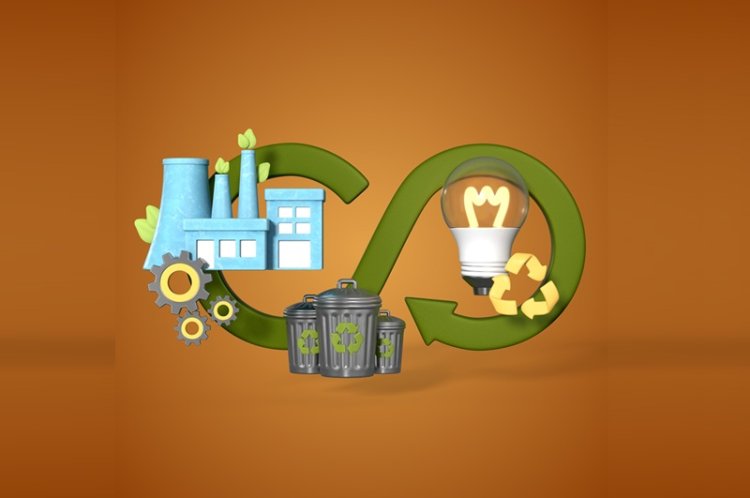
Therefore, waste has transpired the stage of sanitisation challenge and has become one of the determining factors deciding the sustainability of the city. Owing to this, waste-to-energy solution has been gaining momentum for its ability to convert trash into a resource. It provides a relevant model for achieving the twofold task of reducing the landfill and generating renewable energy at the same time.
Importance of Waste-to-Energy Plants
Open dumps are accountable for disseminating methane, contaminating groundwater and are a constant source of plunging air quality in urban settings. Moreover, in cities struggling with limited land availability, it is becoming difficult to accommodate the surging waste volumes. Thereby, this makes it necessary to minimise landfill disposal, and waste-to-energy plants come to the rescue for handling residual waste which is neither recyclable nor compostable. It significantly contributes to circular economy goals, facilitating the urban centres to get rid of the waste volumes while empowering their power grids.
Hidden barrier to operational efficiency
In the plants, the waste undergoes processing through various stages with the help of material handling systems. The systems majorly powered by compressed air for enabling pneumatic conveyance of waste between sorting and treatment units. However, the presence of moisture in compressed air works as an invisible obstacle that dampens the waste, triggering the sticking of materials on the conveyor belt. The disruption is not just limited to resisting the movement of waste but escalates the problem by accelerating corrosion and driving frequent system breakdown. This incurs a heavy financial burden on the company due to high maintenance cost and untimely downtime, compromising the plant's efficiency in the process.
Alleviating the critical bottleneck
In order to address the issue of moisture, deploying compressed air dryers mitigates failures arising from condensation. It not just contributes to seamless material flow but also play a crucial role in minimising instance of downtime in a plant. Altogether, it is the reliability of the supporting systems that decide the efficiency of the plants. Here, performing treatment of compressed air transforms frequent disruption into smooth and continuous operation.
Resilient WtE infrastructure for cleaner cities
With cities grappling with rising landfills, there is a need for robust investment in waste-to-energy facilities that are capable of converting trash to treasure. In the process, incessant focus should be on ensuring operational efficiency and long-term performance for driving optimal results. Performing reliable air treatment is a critical step in facilitating the plant successfully deliver its environmental commitments without giving rise to new challenges. Cumulatively, compressed air dryers work towards strengthening the WtE infrastructure by amplifying its efficiency with minimal requirement for maintenance, aiding in sustainability goals of the plants.
Decoding waste into opportunity
Though municipal solid waste poses complex challenge for cities to handle, it comes with unique opportunities. Boosting waste-to-energy plants steer cities to a cleaner and sustainable future where waste is a valuable resource rather than a liability. In the entire endeavour, advanced compressed air dryers play a decisive role in ensuring seamless operation of critical systems.
Views are personal
What's Your Reaction?