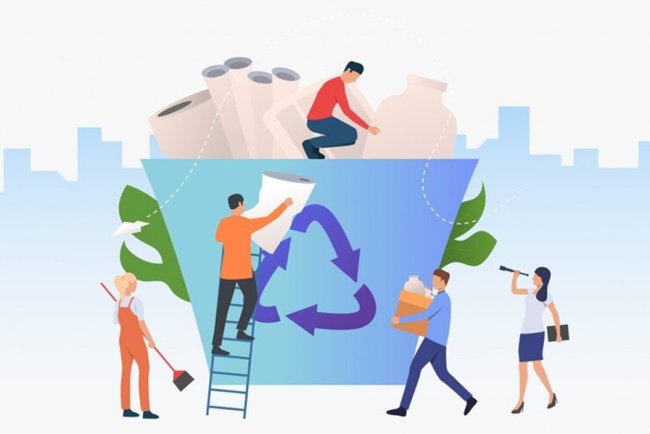
While CSR leads to change, enabling businesses to extend their reach beyond profit into social transformation, well-conceived initiatives can bring resources, attention, and momentum to significant social causes, writes the author
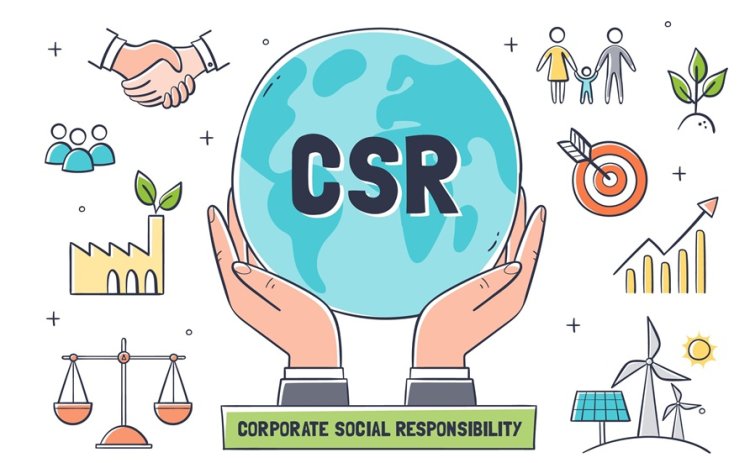
Empowerment has transitioned from an ideal social goal to a core motivator in Corporate Social Responsibility (CSR). Businesses across India are finding that whole communities flourish when people acquire the skills, confidence and opportunities to take control of their own lives. The payoffs far outlast any program.
We see this in vision statements, project plans, and annual reports, often backed by statistics: the number of workshops held, training hours completed, or participants reached. Those figures show only part of the picture, although they are useful for accountability. Empowerment is not just a figure on a dashboard. At its heart, empowerment is personal, transformative, and too human to fit into checklists.
From Personal Growth to Collective Progress
Empowerment always begins with someone. It could be a young woman with her first enterprise; an uneducated rural lad learning skills in order to diversify his livelihood, or the first-generation learner who is just stepping into a professional career that was beyond imagination for her family.
These are not just individual successes. One person’s improved prospects create a chain reaction. Families stabilise through steady earnings. Children gain role models who expand their sense of possibility. There is also more community engagement, creativity and leadership at a local level. This ripple effect introduces empowerment as a case of mutual advancement.
Why Data Alone Falls Short
CSR projects often rely heavily on quantities: the number of people trained, the amount of employment created, the quantum of opportunity. These figures illustrate the extent and results of schemes, but they do not help us understand what empowerment is. The self-confidence, resilience, and new possibilities that come out of people are not captured in numbers.
The most meaningful impacts of empowerment are intangible: a voice discovered, a boundary stretched, a dream reborn. These changes inspire others and help create communities from the inside out.
While CSR leads to change, enabling businesses to extend their reach beyond profit into social transformation, well-conceived CSR initiatives can bring resources, attention, and momentum to significant social causes. However, many challenges that CSR aims to tackle –be it health care, poverty, education and gender equity- are entrenched in systemic concerns of our country. These are not quick-fix problems that can be measured with quarterly metrics; they arise from structures, cultures, and histories that cannot be undone in a single year or report.
This is why systemic change requires a deep commitment to a vision. It involves creating long-term solutions and being an engaged donor who remains a part of the community for many years. Transformation sets in when businesses or companies resist the inclination to focus on just short-term metrics. Rather, they must accept the slower, longer-term work of standing with communities, changing to meet their changing needs, and investing in trust that can weather adversity. CSR can be that impetus, but true change comes when businesses see themselves not as benefactors, but as true partners in forging a fairer, more inclusive future.
CSR as an Economic Enabler
Modern-day CSR initiatives are more targeted to accomplish more than just compliance requirements. They strive to establish ecosystems that convert potential into actual performance.
Skill building is accompanied by mentoring, networking and end market linkages to ensure that empowerment translates into economic benefits. An agriculturalist who has been trained in sustainable agriculture can negotiate higher prices while conserving natural resources. A local craft producer who is trained in business management can break into new markets. A graduate trained in ICT can have access to international job opportunities from the village.
These tales do not stand alone; cumulatively, they are creating stronger local economies and more resilient societies.
The Power of Inclusive Spaces
Creating safe, welcoming and inclusive spaces is one of the most critical aspects of building empowerment. In these spaces, individuals are able to contribute ideas, experiment, and learn from setbacks without fear of retribution.
Those environments assist students in developing both technical competency and the confidence necessary to implement it. When they finish these courses, they are equipped with the confidence to make a difference in their environment, whether by mentoring, advocating for a community cause, or initiating their own projects.
Beyond Compliance, Toward Lasting Change
Although quantifiable outcomes such as jobs created or businesses started are significant, visionary companies also have their sights set on deeper metrics. These are increased stability in families, expansion of locally based projects, and enhanced quality of life.
Through the blend of business acumen and empathy-based programming, CSR programs are proving that empowerment is not just a social responsibility. It’s an investment in growth that is sustainable, in innovation and in long-term economic sustainability.
Empowerment as a Growth Strategy
If we define success solely by the numbers, we run the risk of missing what is truly important. The true measure of empowerment is not in the number of programs developed and implemented or businesses that are established. It is in the ability to stand tall, the confidence to take a different path, and the pride in accepting who one truly is.
As empowerment becomes central to CSR strategy, it generates outcomes that no balance sheet can capture. They are the dividends we see in dynamic micro-enterprises, and independent households, and communities that are ready to evolve and scale.
Empowerment in today's CSR world is no longer just a by-product; it is a force that promotes more resilient communities, stronger economies, and a common future of opportunity. The real value of empowerment, seen in those stories and voices of transformation and courage, cannot be quantified by any measurement.
Views are personal
What's Your Reaction?