Modern electric vehicles are designed with waterproof battery systems and advanced safety features, making them well-equipped to handle India's rainy season conditions.
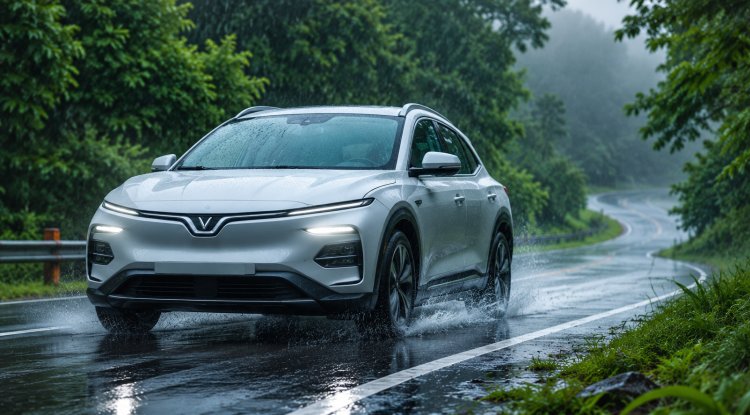
As India's monsoon season arrives, many prospective electric vehicle (EV) buyers find themselves asking the same question: Can EVs safely handle heavy rain, waterlogged roads and wet-weather charging? While concerns about mixing electricity and water are understandable, experts say modern electric vehicles are specifically engineered to operate safely in challenging weather conditions.
Each year, news of flooded streets during the monsoons highlights doubts on the dependability of automobiles. In case of electric cars, such worries tend to increase owing to their voltage-filled batteries. It must be noted though that car engineers emphasise that electric vehicles are built to endure rain and even flooding.
Another important safety feature is the battery pack casing. With current electric cars, there is an enclosure that surrounds the battery, which ensures that it will be waterproof. Modern electric car companies utilise different techniques and undergo rigorous tests to make sure the battery packs can withstand extreme conditions, including exposure to rainwater.
Apart from battery protection, EVs have monitoring systems that constantly monitor the functioning of their electrical system. In case any deviation is detected in the system, the vehicle can isolate the key electrical parts. This function works just like safety systems in power grids and electrical systems used in industries.
Another problem that comes up frequently due to monsoons is the safety of charging an electric vehicle. The latest technology used to charge electric vehicles is made to be used in outdoor conditions and has several safety mechanisms built into it. For example, the charging station may include a shutoff system that automatically turns off in case of rain.
There are other environmental considerations due to the increasing uptake of EVs as well. In contrast to normal fossil fuel-powered automobiles, EVs emit nothing out of the tailpipe, and hence can help curb the pollution of the urban environment and also reduce the release of greenhouse gases. With India producing more renewable energy, EVs will help mitigate the transport industry’s carbon footprint.
The industry specialists have indicated that although EVs are made to withstand normal monsoon rainfall, drivers must drive as carefully as they would drive other vehicles in case of extreme flooding. Extreme flooding may pose a danger even for regular cars since there are many parts that may be affected due to water contact.
As awareness of EV technology grows, misconceptions surrounding wet-weather performance are gradually fading. Advances in battery protection, electrical insulation and vehicle safety systems are helping make electric mobility a practical option for Indian consumers throughout the year, including during the monsoon season.
What's Your Reaction?