UK energy bills remain high despite rising renewable energy use due to market pricing mechanisms, grid limitations, and investment costs. Government aims for cleaner electricity by 2030, but short-term savings are limited.
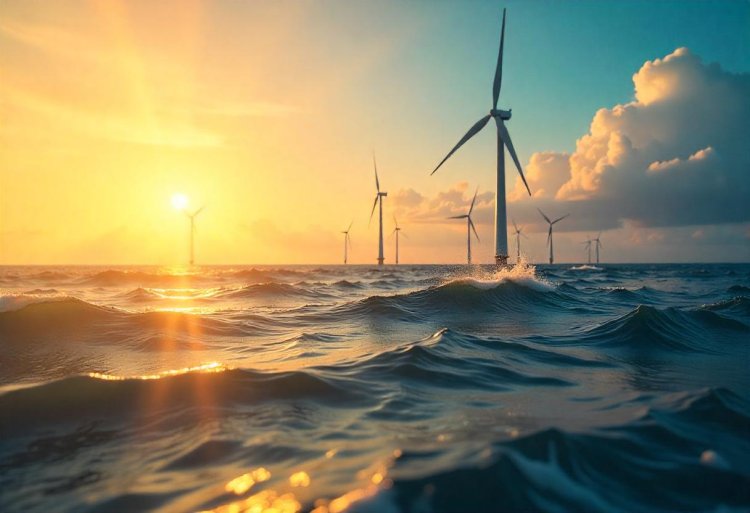
In April 2025, UK domestic energy bills rose by 6%, as renewable energy generation continued to increase steadily. The rise has also raised questions about why electricity prices are not decreasing when the UK adds clean sources of power like wind and solar. Renewables are generating more electricity than ever, but systemic and structural barriers prevent this shift from being reflected in lower bills for consumers.
The UK government has pledged to eliminate nearly all fossil fuels from electricity production by 2030. But transitioning through this process involves a lot of up-front investment in infrastructure and market reform. One of the key reasons why bills remain high is the structure of the electricity market. The price of wholesale electricity, which makes up the largest share of customers' bills, is set by auction. Even when the majority of electricity at any point in time is produced by lower-cost renewable sources, the final wholesale price is determined by the highest-cost unit needed to meet demand—generally gas. As such, the cost of gas, which is everywhere in the world high, still dictates electricity prices across the board.
This pricing model has resulted in the UK having the highest domestic and industrial electricity charges in Europe and globally. In the first half of 2024, UK houses were the fourth highest for electricity charges among EU countries, whereas UK industry was paying the highest medium-use electricity charges in the area. Prices are significantly higher than those in countries like the US and Canada.
Although renewable generation is cheaper once facilities are established, the initial cost of setting up wind farms, particularly offshore, is high. The planning and development process is also time-consuming. To incentivize developers and ensure project viability, the government offers fixed payments, known as strike prices, over a 15-year contract. When the market price is less than the strike price, a government-owned entity bears the difference, and savings or cost are ultimately passed on to consumers. Strike prices have dropped considerably, though, with recent global supply chain stress resulting in minor increments between 2022 and 2024.
Yet another reason that cost savings aren't feasible is the UK's old electricity network. Radical upgrades have to be made to fit in more renewables, and sometimes that means paying wind power not to generate due to grid limitations. Those expenses are included in the total network charges on customers' bills. Furthermore, renewable energy being intermittent, backup systems, currently gas-powered, have to exist. Storage technology conversion to batteries or hydrogen is underway.
The geographical location of the UK adds another level of complexity. Being an island country, it is more costly to construct interconnectors with neighboring energy systems. The interconnectors are important in balancing energy supply during periods of low renewable production. Others have also argued that electricity bills face higher social and environmental levies than gas bills, so electricity will appear to be more costly than it is.
To this, the UK government is contemplating redesigning the structure of the electricity market to suit a renewables-based system better. There are, however, trade-offs to consider. A rapid scaling up of clean energy to meet 2030 targets can cost more in the short term due to supply chain constraints and potentially worse terms of contracts. Nonetheless, decarbonizing the country from fluctuating gas prices could be rewarding in the medium term if gas prices remain high.
Even though long-term projections estimate that renewables will eventually lower the cost of electricity, short-term comfort for consumers is not guaranteed. Policy-makers are worried to balance climate ambitions against economic affordability, but the complexity of the energy transition means that dividends will take years to percolate through.
Source/Credits:
Reporting by Mark Poynting, Anthony Reuben, Chris Jeavans, and Becky Dale for BBC Verify. © BBC News.
What's Your Reaction?