Indian raw tea leaf prices have plunged 50% in 2025 amid soaring imports and shaky exports, threatening the livelihoods of 24 million smallholders and depressing retail prices nationwide.
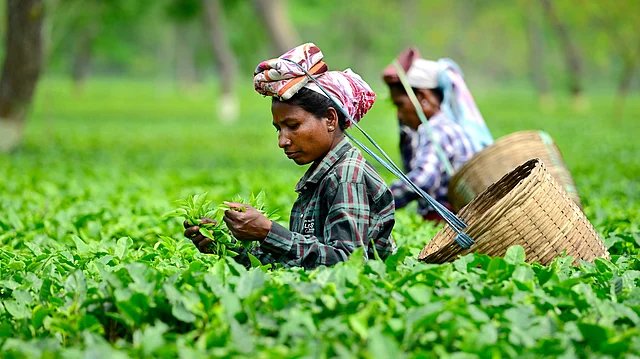
India's tea business is facing tough times as raw tea leaf prices have plummeted. In August 2025, prices tanked by about half compared to last year, leaving small farmers with a mere ₹14 per kilogram. This sharp decline has put tea farmers in states, who are dealing with cheaper imports, reduced exports, and a tea glut at home, in a bind.
Why Did Prices Crash?
Increased Imports: Government stats show that India doubled its tea imports in FY25, jumping from 25 million kg to over 50 million kg. Much of this tea came from Kenya and Nepal, where production costs are lower, and supply is higher.
Export Issues: The U.S. and other nations are buying less tea because of shaky trade conditions and potential tariffs. The U.S. buys a good amount of tea from India (17 million kg, 7% of India's exports), but they might reduce purchases if trade gets more difficult or tariffs increase.
Tea Surplus: India's tea output rose by 4% in the first half of 2025, hitting 359 million kg, which worsened the oversupply issue.
Poor Auctions: Tea auctions in Kolkata and other places have seen prices dip by 10–15%, which is cutting into farmers' profits.
Impact on Small Growers
The price drop is hitting the country's 24 million small tea farmers the hardest. They own little farms (1–5 acres) in states like Assam, West Bengal, Himachal Pradesh, and the south. As they produce 54% of India's tea, they're at the mercy of market swings.
Industry leaders say these farmers can't even break even and are sinking deeper into debt. Unlike big tea estates, they lack the resources to store or process their tea to fetch better prices.
Retail Tea Prices Are Dropping
Big tea companies like Hindustan Unilever (HUL) and Tata Consumer Products have already cut retail tea prices because of the reduced raw tea prices. Prices are now about 10–15% lower than they were last year. Experts believe this will continue through 2025.
Downward Spiral for Retail Tea
Tea industry groups are urging the government to:
Set a minimum tea price that ensures farmers can earn a decent income, based on costs and quality.
Simplify land conversion for tea gardens, improve crop insurance, and offer loans or grants for adapting to weather changes.
Give subsidies for farm gear and farming methods which can handle weather changes.
These groups are in talks with government officials, pushing for quick action to safeguard rural incomes in tea-growing areas.
The Future: No Easy Solutions
Given the tea glut and political issues affecting exports, many in the tea business don't expect things to improve soon. Retailers and processors anticipate prices to stay low at least until the end of 2025, unless imports fall or exports increase greatly.
What's Your Reaction?