ACWA Power’s $10 billion investment in Malaysia targets renewable energy and water infrastructure, supporting the country’s 70% renewable energy goal by 2050.Explore ACWA Power’s $10 billion commitment to Malaysia’s renewable energy and water projects, including solar, wind, and desalination, driving sustainable development.
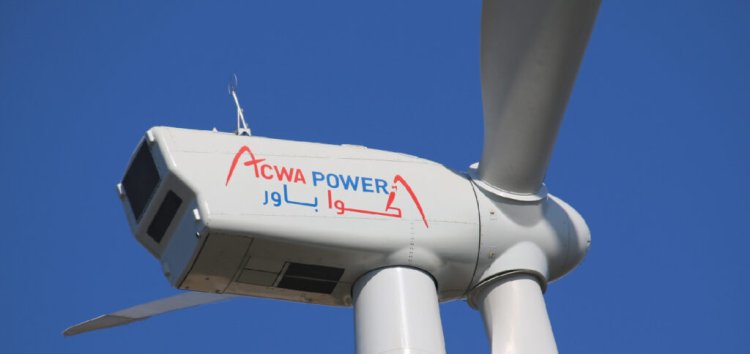
Saudi-based ACWA Power has committed up to $10 billion to develop renewable energy and water infrastructure in Malaysia, aligning with the country’s goal of achieving 70% renewable energy by 2050. This initiative, formalized at the ASEAN-GCC Summit, marks a significant step in Southeast Asia’s energy transition. This article explores the scope, impact, and implications of this investment for Malaysia’s sustainable development.
ACWA Power, a global leader in renewable energy and water desalination, has signed multiple agreements to advance Malaysia’s clean energy and water infrastructure. A key Memorandum of Understanding (MoU) with the Malaysian Investment Development Authority (MIDA) aims to develop 12.5 gigawatts (GW) of power generation capacity by 2040. This includes solar, wind, and green hydrogen projects, supporting Malaysia’s National Energy Transition Roadmap (NETR).
The investment, potentially reaching $10 billion, will also fund water desalination projects to address Malaysia’s growing water demand, particularly in industrial and urban areas. Partnerships with local entities like Tenaga Nasional Berhad (TNB), Terengganu Inc., and UEM Lestra involve feasibility studies for floating solar photovoltaic (FPV) systems, combined cycle gas turbine (CCGT) plants, and large-scale desalination facilities. These projects aim to enhance energy security and resilience while reducing carbon emissions.
Malaysia’s current energy mix relies heavily on fossil fuels, with renewables accounting for less than 25% of installed capacity. The NETR targets a shift to 70% renewable energy by 2050, requiring significant infrastructure upgrades. ACWA Power’s expertise, drawn from its operations in 14 countries with a $107.5 billion portfolio, positions it to drive this transition. The company’s focus on technology transfer and local collaboration will build capacity in Malaysia’s renewable energy sector.
Economic benefits are substantial. The projects are expected to create thousands of jobs, from construction to operation, boosting local economies in regions like Melaka and Perak. Green data centers powered by renewable energy will support Malaysia’s digital economy, attracting tech investments. Water desalination will improve access to clean water, addressing shortages in drought-prone areas.
Environmental impacts are a priority. Floating solar systems reduce land use, preserving ecosystems, while green hydrogen production cuts reliance on fossil fuels. Desalination projects, powered by renewables, minimize energy consumption compared to traditional methods. These initiatives align with global sustainability goals, including the United Nations’ Sustainable Development Goals (SDGs) for clean energy and water access.
Challenges include high upfront costs and complex regulatory frameworks. Malaysia’s energy market, dominated by state-owned entities, requires streamlined approvals to accelerate project timelines. Technical hurdles, such as integrating floating solar into existing grids, demand advanced engineering solutions. ACWA Power’s experience in similar markets, like Saudi Arabia and Uzbekistan, will help navigate these issues.
Community engagement is critical. Local stakeholders, including indigenous groups, must be consulted to ensure projects respect cultural and environmental priorities. Training programs for local workers will build skills, fostering long-term economic resilience. Public awareness campaigns can promote the benefits of renewable energy and water security.
Global implications are significant. ACWA Power’s investment aligns with Saudi Vision 2030, diversifying the kingdom’s economy through international clean energy projects. It also strengthens ASEAN-GCC ties, fostering regional collaboration on climate action. Malaysia’s success could serve as a model for other Southeast Asian nations transitioning to renewables.
Long-term sustainability requires ongoing investment in research and development. ACWA Power’s planned R&D center in Shanghai, funded with $54 million, could support innovation in Malaysia, such as advanced energy storage and desalination technologies. Partnerships with universities and global institutions will drive technological advancements.
Conclusion
ACWA Power’s $10 billion investment in Malaysia marks a pivotal moment for the country’s renewable energy and water infrastructure. By addressing energy and water challenges, the initiative supports Malaysia’s sustainability goals and economic growth. Overcoming regulatory and technical hurdles will be key to success, setting a precedent for regional and global clean energy transitions.
Source:ESG NEWS
What's Your Reaction?