Airbus, Safran, Technip and Tereos partner to develop a 160,000-tonne SAF facility in Dunkirk.
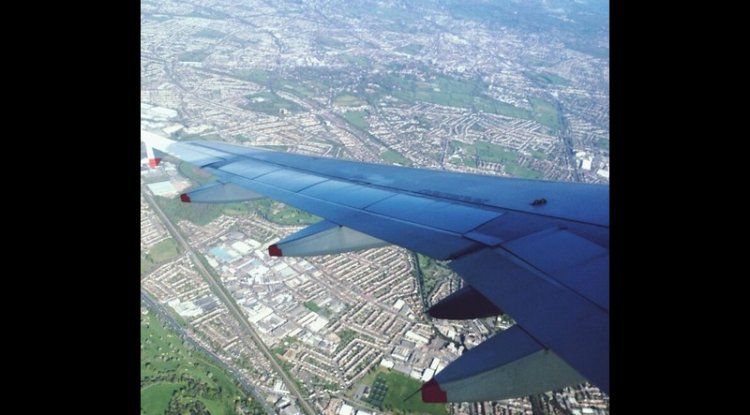
Airbus, Technip Energies, Safran, and Tereos have signed an agreement to create a joint venture for developing a large-scale Sustainable Aviation Fuel (SAF) production facility at the Port of Dunkirk in northern France. This project aims to produce up to 160,000 tonnes of SAF annually. It will rank among the largest facilities of its kind in Europe and will support the region’s energy transition, sustainable aviation fuel needs, aviation decarbonization efforts, renewable fuels, and low-carbon aviation goals.
The partners stated that the initiative aims to increase the availability of alternative aviation fuels as the industry works to cut greenhouse gas emissions. The proposed facility will use advanced ethanol derived from agricultural and forestry residues. This will help develop a domestic supply chain for sustainable aviation fuel, boost renewable fuels production capacity, and support Europe’s energy transition goals while pushing forward the decarbonization of aviation and low-carbon aviation efforts.
SAF Supply Remains Limited Despite Growth
The aviation sector sees SAF as one of the most viable solutions for reducing emissions in the near and medium term. Produced from feedstocks like waste oils, agricultural residues, and other renewable resources, SAF can significantly lower lifecycle carbon emissions compared to traditional jet fuel.
However, despite growing demand from airlines and policymakers, global SAF production remains limited. According to the International Air Transport Association (IATA), worldwide SAF output almost doubled in 2025. Yet, the fuel accounted for only 0.6% of total airline fuel consumption. This highlights the gap between current production and future demand requirements.
Industry stakeholders have pointed out several barriers to scaling SAF production. These include high capital costs, challenges in feedstock availability, and the need for supportive regulations. The new Dunkirk project aims to tackle some of these issues by using established industrial expertise and local feedstock resources.
Alcohol-to-Jet Technology at the Core
The planned facility will use the Alcohol-to-Jet (AtJ) production pathway, a technology that transforms advanced ethanol into aviation fuel suitable for existing aircraft and engines. The resulting fuel can blend with conventional jet fuel without requiring changes to aircraft infrastructure.
In the proposed model, advanced ethanol derived from agricultural and forestry residues will be the primary feedstock. By using residual materials instead of food crops, the project seeks to support sustainability goals while increasing Europe’s SAF production capacity.
The partners believe the AtJ pathway offers a promising route for increasing SAF availability on a commercial scale, especially as the demand for lower-carbon aviation fuels rises.
Partners Outline Roles in Development Phase
As part of the agreement, the four companies are providing funding for the project's development phase. This stage will include engineering studies, technical assessments, and preparations needed before a final investment decision can be made.
Technip Energies will take the role of lead developer and engineering services provider during this phase. The company will also supply an industrial site in northern France, which the partners believe offers logistical benefits for sourcing feedstock and transporting fuel. This will help streamline permitting and regulatory processes.
Airbus and Safran will act as industrial partners and assist in developing SAF offtake arrangements. Both companies are also potential buyers of the fuel once production starts. Tereos, one of Europe's leading bioethanol producers, will be responsible for sourcing and supplying the advanced ethanol needed for the project.
Industry Leaders Highlight Strategic Importance
Julie Kitcher, Chief Sustainability Officer and Communications at Airbus, noted that the project would create another pathway for SAF production, aiding efforts to lower aviation emissions and boost energy security.
Tereos Chief Strategy Officer Jérôme Bos mentioned that the initiative aligns with the company's goal of creating low-carbon industrial value chains based on agricultural production. He pointed out that the project showcases agriculture's role in supporting the growth of Europe’s bioeconomy and renewable energy sectors.
Safran Chief Sustainability Officer Nathalie Stubler described large-scale SAF deployment as vital for the decarbonization of air transport. She said this collaboration combines French and European industrial expertise to develop a competitive SAF industry while contributing to emissions reduction goals.
Next Steps Toward Final Investment Decision
The companies stated that the project will move through several development stages before construction can begin. Planned activities include selecting a technology licensor, completing permitting procedures, conducting pre-front-end engineering and design (pre-FEED) and FEED studies, securing feedstock supply agreements, finalizing SAF offtake contracts, and arranging financing for the facility.
If approved, the Dunkirk project could become one of Europe’s largest SAF production sites, assisting the aviation sector in reducing emissions while enhancing regional renewable fuel supply chains and industrial competitiveness.
What's Your Reaction?