Meenakshi Energy’s 1,000 MW thermal power plant in Tirupati, Andhra Pradesh, is now fully operational, enhancing power reliability for local industries and supporting
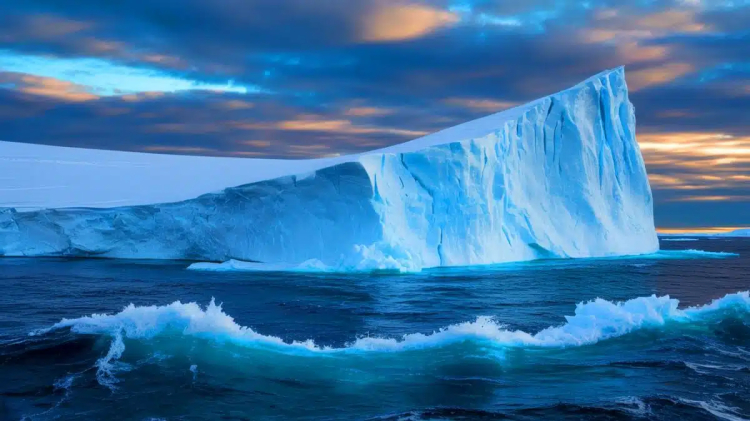
Antarctica’s Ice Shield Is Crumbling — And the World Will Feel It
The Antarctic ice sheet — long considered Earth’s last fortress against climate chaos — is collapsing at an unprecedented pace, according to a sweeping new synthesis of scientific research. Driven by warming oceans, destabilised ice shelves, and accelerating feedback loops, the meltdown threatens not just polar wildlife but also hundreds of millions of people worldwide, with scientists warning of up to 10 feet of sea-level rise — enough to drown dozens of coastal megacities.
An Interconnected Polar Crisis
Recent findings show the Antarctic system is a tightly woven web of decline. Shrinking sea ice, warming oceans, and weakening shelves reinforce each other in a runaway feedback loop. Each fraction of a degree in global temperature now speeds up ice loss — especially in the West Antarctic Ice Sheet, where collapse could unleash catastrophic sea-level rise.
Sea Ice Retreat and Ocean System Shifts
Antarctic sea ice is retreating at record-breaking rates. Its disappearance strips away the natural “thermal shield” that insulates ocean from atmosphere, leaving floating shelves exposed to surge-driven collapse. Meanwhile, the Southern Ocean’s weakening deep current circulation is disrupting the flow of nutrients that sustain plankton, krill, and ultimately whales, fish, and seabirds across the food chain.
Emperor Penguins and the Biodiversity Crisis
The crisis is already visible. Emperor penguins — iconic sentinels of the ice — are suffering mass breeding failures as sea ice vanishes too early, leaving chicks to drown before they can swim. Krill populations are under stress, seals are losing feeding grounds, and phytoplankton — the very foundation of Antarctic ecosystems — are in decline.
Global Implications: From Oceans to Cities
The Southern Ocean, once a powerful carbon sink, is weakening, raising alarms that runaway global warming could accelerate sooner than expected. For humanity, the risks are existential: Asia and North America’s coastal megacities face flooding, food supply shocks, and mass displacement if Antarctic collapse continues unchecked.
A Call for Immediate Action
Scientists stress that the Antarctic crisis is not inevitable. Urgent global action — from deep cuts in fossil fuel emissions to new ocean monitoring and Antarctic protections — could still slow the trajectory. What happens at the bottom of the world will decide the fate of coasts, climates, and communities everywhere.
What's Your Reaction?