Antibiotics are being widely applied to livestock regardless of whether they are sick or not, as a growth promoter or to prevent illnesses altogether
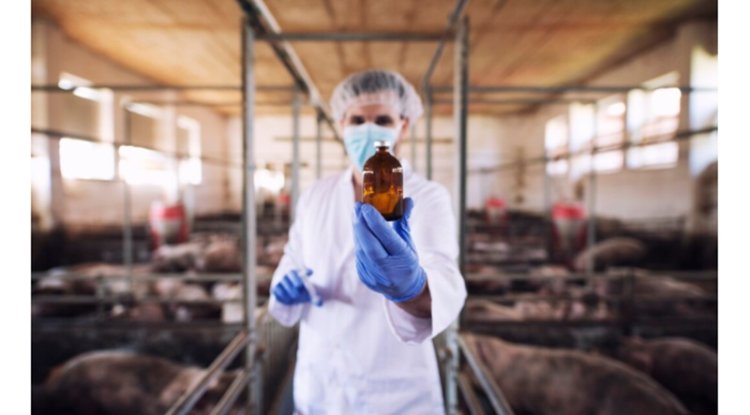
The excessive use of antibiotics in livestock and agriculture is emerging as a growing public health concern, with experts warning that the practice is accelerating antimicrobial resistance (AMR) and posing risks to animal welfare, food systems and human health.
Antibiotics are being widely applied to livestock regardless of whether they are sick or not, as a growth promoter or to prevent illnesses altogether. This can be helpful for increased productivity in the short term, but the practice puts bacteria under continuous pressure to develop resistance to antibiotics that are vital to treating infections in humans. Once-happy medicines aren't proving effective to fight common illnesses as resistant forms proliferate in the food, water and environment.
Antimicrobial resistance has long been identified as a potential threat to global public health in the 21st century by health authorities around the world. One important factor in this trend is highlighted by the latest analysis, which reveals how much farmers are using antibiotics. Poorly enforced and supervised laws in many LMICs allow antibiotics to be routinely prescribed in farms, by poultry, swine, and cattle rearing enterprises, without a veterinarian's prescription, bringing the risk of their excessive use at high levels.
Resistant bacteria from farm settings can make their way into human populations in various ways, such as from eating contaminated meat, farmworkers' hands, or runoff from farms into water systems, experts say. S. Healthcare systems are already grappling with the burden of multiple infections, and once drug-resistant pathogens reach human populations they can spread quickly, leading to more difficult and expensive infections to treat.
A number of strategies are being implemented to address the inappropriate use of antibiotics, including withdrawing the use of medically important antibiotics for growth promotion, the introduction of more veterinary control and the introduction of other alternative measures (such as better nutrition and reducing the disease burden in livestock through vaccinations).
AFCEPh professionals say a multi-sector approach to AMR is needed, working hand-in-hand with agriculture, public health and the environment. Safeguarding animal health by reducing antibiotic use in farming also helps to keep human populations safe from infections that cannot be treated.
What's Your Reaction?