Arevon’s 200MW Battery Storage Project Boosts Grid Reliability in California
Arevon Energy’s Peregrine Energy Storage Project in San Diego is a 200MW lithium iron phosphate battery system designed to store renewable energy and support California’s electricity grid during peak demand. With the capacity to power 200,000 homes, it reduces blackout risks and helps meet clean energy goals while creating jobs and generating local tax revenue.
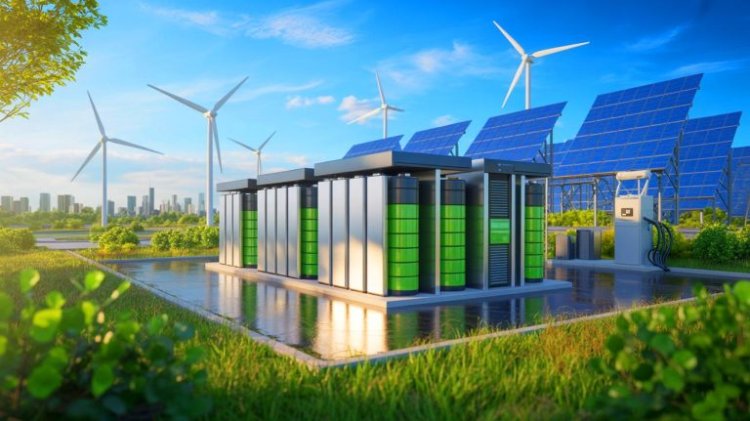
A new San Diego, California, large energy storage power facility is strengthening the area's electrical grid while helping the state meet its clean energy goals. The Peregrine Energy Storage Project, built by Arevon Energy, is a 200-megawatt (MW) battery power facility that uses lithium iron phosphate (LFP) battery technology to store and supply electricity during periods of peak usage. The project is capable of powering approximately 200,000 homes and can prevent blackouts caused by grid strain.
Situated in the Barrio Logan neighborhood, the Peregrine project is one of the major milestones for California's efforts to construct more robust energy infrastructure as it increasingly draws on renewable energy. The system works by storing excess power created during periods of low demand—during mid-day when solar is at its highest levels—and discharging it back to the grid in periods of high demand late afternoons and evenings. It functions to enhance total energy reliability and lowers the variability of weather-dependent variable renewables.
LFP batteries were chosen for their dependability, safety, and capacity to handle overheating, with a more solid solution than conventional lithium-ion technology. They enjoy a long service life and superior thermal stability, ideal for utility-scale use. As the energy mix transitions towards increasing percentages of renewables, storage systems such as Peregrine play a crucial role in balancing supply and demand with continuous service to customers.
In addition to its technological proficiency, the project has added economic value to the area. More than 90 jobs were created during development in construction, and the facility will generate approximately $28 million in property tax returns over its lifetime. The twin advantage of energy relief and economic return puts Peregrine in a position as a role model for clean energy infrastructure investment in the future.
The project is one element of Arevon Energy's strategic plan to grow clean energy capacity. The firm operates today over 3.2 gigawatts (GW) of renewable energy assets in California, with another 800 MW under development. Arevon owns 4.7 GW of solar and storage properties spread over 17 states nationwide, showing a clear intent to expand its presence in the country's energy transition. Peregrine project is supported by other projects like the Condor Energy Storage Project and Vikings Solar-plus-Storage Project, demonstrating the company's wider strategy in the field of renewable infrastructure.
California is undergoing tremendous energy changes, one of them being growing dependence on solar and wind energy. The newest change has with it some challenges mainly the issue of stability during periods when the renewable share is minimal. Battery storage provides the best solution to the challenge, putting an end to electricity deficits and enabling grid operators to supply demand with certainty. Aspects of Peregrine project focuses on the central strategy by ensuring price stability and enhancing access to power in off-peak hours.
The state has undergone times of stress on its electricity grid, particularly when it is warm or during wildfire season, which tend to bring about peak electricity usage and heightened danger of power outage. In its ability to act quickly, the Peregrine system is also poised to minimize such susceptibilities by releasing energy stored instantly whenever it is most needed. This fits with California's clean energy goals and its target to generate 100% carbon-free electricity by 2045.
As the global energy system becomes more dynamic, investments like Peregrine will be of the utmost importance in the future. Fluctuations in renewable output mean that high-quality infrastructure is now imperative; this milestone is a testament to big battery storage as a component of the calculus and provides precedents for other installations in other states or regions with energy transition challenges.
As the government and the private sector put more money into renewable energy, effective storage of the energy will be key to achieving climate goals and minimizing the use of fossil fuels. Peregrine Energy Storage Project is a good case in point that one can do it with advanced technology, creative thinking, and public-private partnership. It highlights the necessity to invest more in storage as part of the solution in renewable energy.
Source & Credits:
This article was authored from a report by Gabriel Cruz, initially published on June 29, 2025. Project details and development updates provided by Arevon Energy.
What's Your Reaction?