The Northeast region, known as Ashtalakshmi, is emerging as a hub of connectivity, green growth and inclusive development through infrastructure expansion, policy initiatives and sustainable investments.
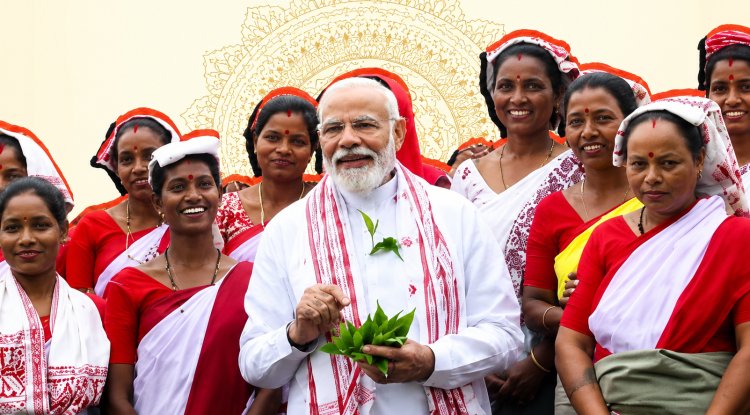
Over the last decade and a half, the Northeast region, known as Ashtalakshmi, has undergone a significant transformation. The area is now at the heart of India's inclusive and sustainable development narrative, reflecting sustained policy focus, resource allocation and a people-centric approach.
Geographical isolation has been greatly diminished due to better road, rail, air, waterway and digital connectivity. The national highway network has expanded rapidly., and railway connectivity has expanded to previously remote hill states, while regional air connectivity has improved, reducing travel time and boosting trade, tourism and emergency access. The government is reviving inland waterways such as the Brahmaputra for transportation and river tourism, and high-speed internet connectivity has been extended to thousands of villages.
This change has been firmly supported by a policy push. Initiatives such as PM-DevINE, NESIDS and NEC schemes have supported high-impact projects in the areas of infrastructure, healthcare, education and livelihood. With the implementation of the Act East Policy, The Northeast has been reoriented to become the gateway to the Association of Southeast Asian Nations (ASEAN) countries to strengthen connectivity, trade and people-to-people relations with ASEAN nations.
The area is also becoming a key component of India's green transition agenda. Investments in energy security are driving transformation through hydropower development, gas grid expansion, solar energy and decentralised energy systems. Access to water, sanitation, housing, healthcare and education has been improved simultaneously in both urban and rural areas, enhancing the quality of life.
New jobs with targeted schemes, market linkages, and skill development are being created in agriculture and allied activities such as fisheries, organic agriculture, bamboo-based industries, and high-value GI-tagged products.
These initiatives position Ashtalakshmi as a strategic, connected and resilient region for growth, at the heart of India's Act East policy, clean energy agenda and the vision of a Viksit Bharat.
What's Your Reaction?