Aspergillus Fungus Poses Climate-Linked Health Threat
Aspergillus, a climate-sensitive fungus, is becoming more prevalent due to rising temperatures and humidity, leading to a surge in respiratory infections and allergic reactions. Vulnerable populations, especially in urban areas, are most at risk. Tackling this growing threat requires a combination of improved healthcare, environmental monitoring, and climate adaptation policies.Aspergillus fungus is spreading due to climate change, increasing risks of respiratory illnesses and allergies. Learn about the health impacts, causes, and strategies to combat this rising public health threat.
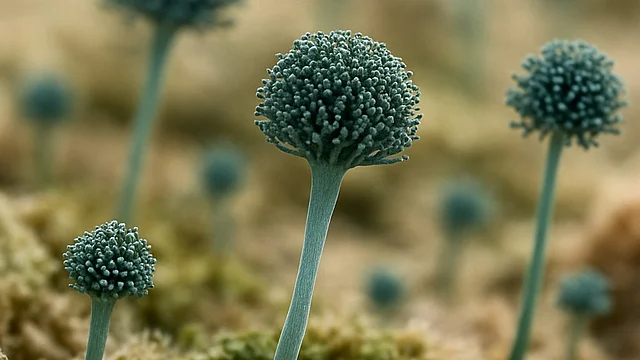
Climate change is driving the spread of Aspergillus, a fungus linked to respiratory illnesses and allergies. Warmer temperatures and increased humidity create ideal conditions for its growth, posing risks to public health. This article examines the causes, impacts, and strategies to address this emerging threat.
Aspergillus, a common mold, thrives in warm, humid environments, conditions increasingly prevalent due to climate change. Rising global temperatures, up 1.1°C since pre-industrial times, and erratic rainfall patterns have expanded its habitat. Urban areas, with poor ventilation and high pollution, are particularly vulnerable.
Health impacts are significant. Aspergillus can cause aspergillosis, a respiratory infection ranging from mild to severe. Allergic reactions, including asthma exacerbations, are rising, particularly in children and the elderly. Severe cases, often in immunocompromised individuals, require hospitalization and specialized treatment.
Healthcare systems face challenges. Diagnosis requires advanced testing, which is not widely available in developing regions. Treatment involves antifungal medications, which are costly and can have side effects. Hospitals in affected areas report a 20% increase in fungal-related cases over the past decade.
Environmental factors drive the spread. Warmer soils and decaying organic matter provide breeding grounds for Aspergillus. Flooding, more frequent due to climate change, increases indoor mold growth in homes and public buildings. Poor air quality, worsened by urban emissions, amplifies health risks.
Mitigation efforts focus on prevention. Improving indoor ventilation and moisture control reduces fungal growth. Public health campaigns promote awareness of symptoms and risks, targeting vulnerable populations. Monitoring environmental conditions, such as humidity levels, helps predict outbreaks.
Research is advancing. Scientists are studying fungal resistance to antifungals, a growing concern. New diagnostic tools, such as rapid blood tests, are in development to improve detection. Collaboration between health and environmental agencies is critical to address the root causes of fungal proliferation.
Policy responses are evolving. Governments are updating building codes to require mold-resistant materials and better ventilation. Investments in air quality monitoring and healthcare infrastructure aim to reduce risks. However, funding shortages and lack of coordination slow progress.
Community action is essential. Residents are encouraged to maintain dry, well-ventilated homes and seek early medical attention for symptoms. Schools and workplaces are adopting air filtration systems to protect occupants. Public education on climate-health links can drive broader behavioral change.
Conclusion
The rise of Aspergillus due to climate change highlights the intersection of environmental and public health challenges. Addressing this threat requires improved healthcare access, better environmental monitoring, and stronger climate policies. By acting now, societies can reduce the health risks of this growing fungal threat and build resilience against climate-driven diseases.
Source:Business Outlook
What's Your Reaction?