Australia has achieved a 40% reduction in coastal plastic pollution over the past decade through bans on single-use plastics, container deposit schemes, community clean-ups, and public awareness campaigns. Research shows cleaner beaches, improved marine habitats, and economic benefits for tourism, while experts call for sustained efforts to build on these gains.
Research released recently reveals nearly a 40% drop in plastic pollution along the country's coasts, therefore Australias beaches are noticeably cleaner now than they were ten years ago. Based on a thorough Commonwealth Scientific and Industrial Research Organisation (CSIRO) study, the results show the combined influence of public attitudes, community clean-up initiatives, and government policies.
Scientists gathered and examined trash from six important sites around the nation's coastal and riverine habitats over a two-year period, including Perth, Hobart, Newcastle, Port Augusta, the Sunshine Coast, and Alice Springs, representing a wide cross-section of the country. Comparing present data to surveys done over the past ten years helped the researchers gauge the success of regional and national policies.
The data reveal not just a steep drop in coastal trash but also a 16% rise in sites where there was no trash at all. For beachgoers, these changes translate into cleaner shorelines; for marine life, safer habitats; and for coastal tourism, better conditions.
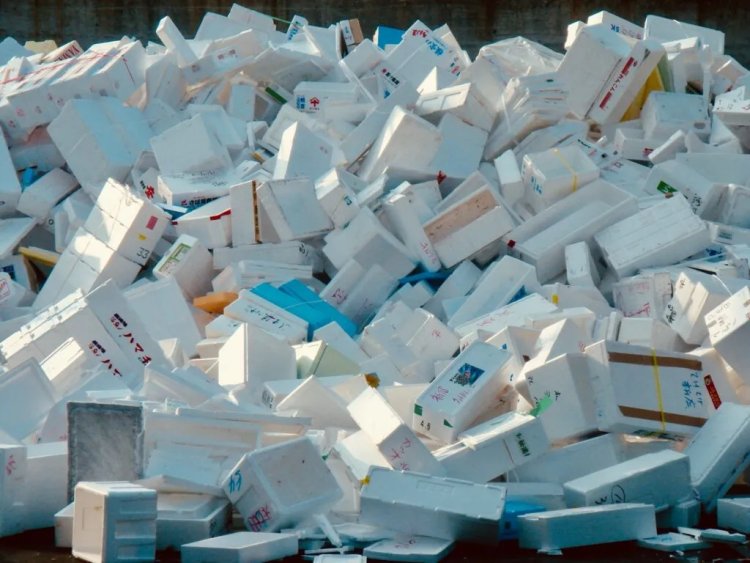
Although the kinds of trash differed from site to site, some patterns were evident. Perth's most often littered object discovered were cigarette butts. Many smokers might not be aware that plastic fibres make up cigarette filters, which stay in the environment for years and often end up in rivers through storm drains. Polystyrene pieces from takeout food containers, cups, and packaging were the most common sort of waste found all throughout the nation. Preventing this stuff from getting into the environment in the first place is really vital since it quickly decomposes into microplastics that are almost impossible to get rid of once they are spread.
Much of the improvement is credited by academics to focused policy initiatives. Lightweight plastic bag prohibitions, implemented in several states, have greatly reduced one of the most obvious and often seen kinds of waste. Many states have also outlawed polystyrene food containers; Western Australia's ban is given as a rather successful illustration.
Further lowering drink-related litter are container deposit schemes, which provide cash refunds for returned cans and bottles. These initiatives have promoted correct disposal and recycling all around by creating a little but direct financial incentive. Although some areas, including Tasmania and the Northern Territory, have not yet adopted such complete prohibitions or deposit schemes, the general national tendency is still quite favorable.
Maintaining these policy gains has depended mostly on behavioural modifications in the populace. More Australians these days choose foam container substitutes while ordering takeout, bring reusable bags to stores, and engage in coordinated clean-up activities. In many places, regular volunteer beach clean-ups have grown into educational chances and community customs that increase awareness of the long-term effects of plastic garbage as well as serve as community events.
Apart from looks, less plastic pollution has other advantages. Cleaner beaches benefit swimming, surfing, fishing, and other outdoor activities as well as make Australia more appealing as a tourism spot. For communities that depend on tourism revenue, better environmental quality directly translates into more visitors, longer visits, and more local spending.
Wildlife has also seen real benefits. Lowering injury and death rates, marine species like sea turtles, seabirds, fish, and marine mammals are less prone to eat or get caught in plastic trash. Removing big trash and stopping fresh waste from reaching the ocean together support the fragile equilibrium of Australia's coastal habitats.
The results follow rising worldwide worry about plastic trash in the ocean. According to the United Nations Environment Programme, more than 800 species around the world are impacted and the financial damage to maritime industries, tourism, and fisheries reaches several billions of dollars every year. Roughly eight million tonnes of plastic wind up in the oceans annually, which translates to a truckload every minute. Australias progress in this sense is a significant contribution to the worldwide effort against maritime pollution.
From a financial point of view, preventative actions are turning out to be far more efficient than clean-up efforts. While removing one tonne of trash from beaches costs around $3,000 to $5,000, policy tools like bans and deposit schemes cut waste before it hits the coast. This not only helps to save money but also guarantees that the most dangerous kinds of trash never reach the ocean.
The study also emphasizes once more how long plastic garbage may remain in the environment. While plastic bags can degrade totally in decades, single-use plastic bottles can last up to 450 years in the sea. This long life implies that past waste will keep having an influence on ecosystems for generations unless there are consistent efforts.
Other nations all over the world have adopted comparable steps to address plastic pollution. The European Union has outlawed a spectrum of single-use plastics, and countries like the United Kingdom and Canada have created extended producer responsibility programs. Many American states have also done this, which shows that Australias strategy might be used in many different situations.
Marine biologists estimate that about 90% of seabird species have eaten plastic at some point, thinking it was food. The evidence of a decrease in coastal rubbish in Australia gives cause for optimism about turning the tide. Less plastic debris in the surroundings translates to less ingestion risk, hence less risk of starvation, harm, or poisoning for marine life.
Although the improvements are significant, experts warn that the job is far from finished. Maintaining momentum will need constant government, business, and personal commitment. Important next actions include extending restrictions on single-use plastics to all states, improving enforcement, and boosting public education efforts.
Even little daily decisions can have a big influence. Little but important activities including using reusable coffee cups, staying away from items with too much plastic packaging, and getting rid of cigarette butts properly all help to keep the surroundings clean. These behaviors, when repeated across millions of people, can help to support the good trends discovered in the most recent studies.
Australia's experience over the last ten years demonstrates that concerted efforts can produce quantifiable environmental results. Effective legislation, community involvement, and local initiatives have helped the nation go a long way toward lowering plastic pollution on its beaches. Building on this base now entails making sure that next generations inherit healthier seas and cleaner beaches.
These initiatives also convey a crucial message abroad: significant progress on plastic pollution is only possible when every segment of society cooperates. Consistent work both locally in Australia and around the world will help to reverse the tide on marine plastic pollution.
What's Your Reaction?