In 2024, global banks increased fossil fuel financing to $869 billion, reversing years of decline and raising concerns over climate pledges. Top financiers include JP Morgan Chase and Barclays. Experts urge regulatory action.
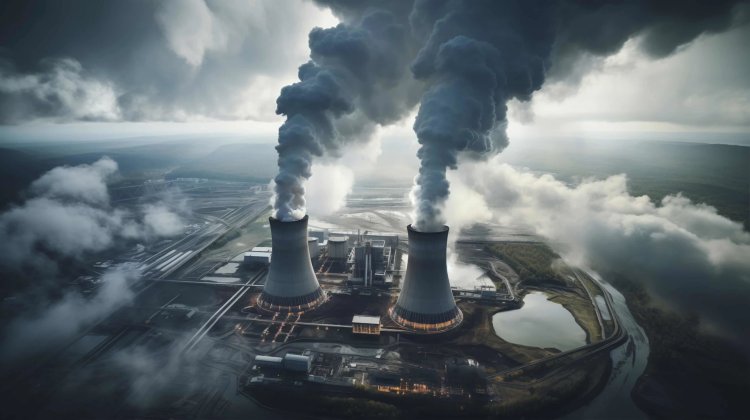
World's largest banks experienced a strong rebound in fossil fuel lending during 2024, a turnabout from several years of falling trend and casting doubts on the genuineness of banks' climate commitments. 65 of the globe's biggest banks extended $869 billion (£639 billion) in fossil fuel financing to companies in 2024, a rise from $162 billion (£120 billion) more than in 2023, based on the 16th yearly Banking on Climate Chaos report. This is a change from the decreasing trend that existed since 2021.
The analysis was undertaken by a group of environmental and finance campaigning organizations, including Oil Change International, Reclaim Finance, and Rainforest Action Network. Authors examined data on more than 2,700 companies linked to fossil fuel operations. The firms were monitored from lists like Urgewald's Global Oil and Gas Exit List, the Global Coal Exit List, Bloomberg, and the London Stock Exchange.
The stories show that large banking entities, especially in the United Kingdom and United States, have greatly diluted their fossil fuel policies. Some of them have even quit voluntary climate organizations like the Net Zero Banking Alliance, particularly following political changes such as the 2023 US presidential election, in which Donald Trump returned to power. Some US-based institutions are alleged to have relaxed or dropped restrictions on fossil fuel lending in general.
JP Morgan Chase was the world leading financier, lending $53.5 billion (£39.3 billion) to the fossil fuel industry in 2024. The largest in Europe was Barclays at $35.4 billion (£26.0 billion) in financing, being among the leading four banks that substantially boosted their funding for fossils. The remaining UK banks also contributed substantially: HSBC contributed $16.2 billion (£11.9 billion), NatWest contributed $2.7 billion (£1.9 billion), and Lloyds, although last year its contribution had decreased, still contributed $1.6 billion (£1.1 billion).
The total rise in fossil fuel finance was amid mounting pressure from the International Energy Agency (IEA) and climate experts that no new fossil fuel infrastructure must be built if the planet is to stay under the 1.5°C threshold of the 2015 Paris Agreement. Banks together have invested $1.6 trillion (£1.1 trillion) in supporting companies that are going for new fossil fuel projects since 2021. In 2024 alone, $429 billion (£315 billion) was spent on expansion activity—a $85 billion (£62 billion) increase over last year.
Loans remained the most common source of fossil fuel financing, up from $422 billion (£310 billion) in 2023 to $467 billion (£343 billion) in 2024. This is a sign of a widening gap between banks' public climate promises and real financial practice.
Climate and environmental campaigning organizations have in the strongest terms denounced the findings. They point out that most banks greenwash—publicly making statements that they support net-zero goals while doubling, in private, investments in fossil fuel plans. Several groups are now advocating for tighter regulations, with assertions that voluntary groupings and compacts can no longer guarantee that banks become climate science-aligned.
Campaigners claim that banks are not just facilitating ongoing emissions but are also fueling wider human rights and environmental abuses by the projects they support. They argue that voluntary measures have been too weak to hold banks in check and that legally enforceable action is needed in order to press the industry toward truly sustainable behavior.
The demand for increased regulation comes from various organizations, whose point is that without regulations enforceable by law, banks will not shift their portfolios so that they meet the climate objectives established under global agreements. The continued rise in fossil fuel funding, even as climate catastrophes and extreme weather events become more prevalent, highlights a lack of adequate urgency on the financial sector's part to act against the climate crisis.
The Banking on Climate Chaos report sums up that the banking sector is at a crossroads. It can pledge itself to ambitious and binding action on climate change or just keep on bankrolling the growth of fossil fuels in detriment of climate stability worldwide. As regulators, civil society, and the general public increasingly put them under the microscope, banks may become increasingly embarrassed by the divide between their green rhetoric and lending practices.
Source: Alloa Advertiser
What's Your Reaction?