Biodiversity, ethical sourcing, regenerative agriculture, and sustainable food ingredients will be key discussion areas at the Sustainable Foods Summit in Amsterdam. Industry leaders, researchers, and sustainability experts are expected to examine environmental and supply chain challenges facing the food sector.
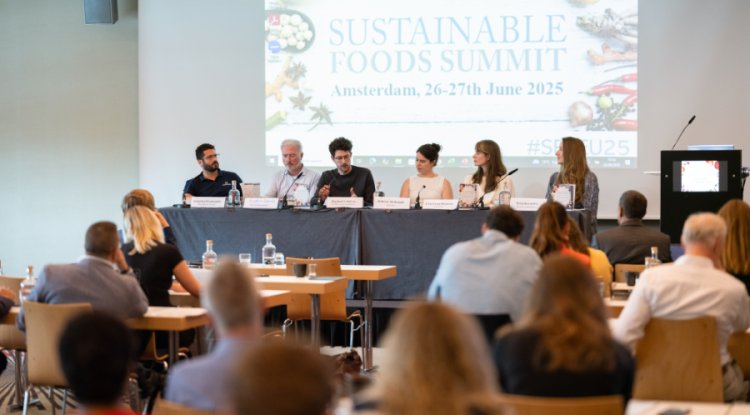
On June 18-19, 2022, the European edition of the Sustainable Foods Summit will explore themes of biodiversity conservation and ethical sourcing.
The summit will bring food industry stakeholders from around the world - including researchers, policymakers, and sustainability professionals - to discuss various environmental issues related to food production and supply chains. Areas of focus will include biodiversity conservation, regenerative agriculture, sustainable sourcing and food ingredient development.
Organisers say discussions will centre on how food businesses are adapting to changing regulations and environmental challenges, as well as consumer demand for sustainable products. The sessions will also detail the latest policies, practices, and metrics related to biodiversity protection and the sourcing of sustainable food products. The focus of the summit will be to determine what actions businesses can take to improve their impact on ecosystems and natural habitats.
Another area of interest will be food ingredient innovation. Topics for discussion will include precision fermentation and sourcing practices, supply chain issues related to deforestation, as well as the application of artificial intelligence in supply chain management. Emerging ingredients and new production methods being used within the food sector will also be part of the program.
The schedule for the summit will include sessions on water usage, environmental footprint labelling, and the economics of sustainable practice. The subjects being discussed will focus on how a business decides to prioritise its environmental responsibilities versus the operations and financial side of the business.
Another area of focus will be consumer behaviour and how businesses communicate about sustainability. It is anticipated that speakers at this session will cover sustainability claims made about products, trends in purchasing, and how businesses communicate with consumers about the sustainability-related initiatives they have implemented. There are several issues related to consumers included in this discussion, including plant-based foods, organic products, and how consumers’ preferences are changing.
The timing of this event coincides with an increased focus on biodiversity loss, supply chain resilience, and resource management — all areas of concern for food producers and policymakers today. Increasingly, food production systems are coming under review for their impact on the environment and their long-term sustainability.
The Amsterdam summit is expected to provide a platform for stakeholders to exchange views on these issues and discuss approaches being adopted across the food sector.
What's Your Reaction?