Experts say bioenergy can strengthen India's energy security, reduce import dependence and drive rural economic growth through a coordinated policy framework.
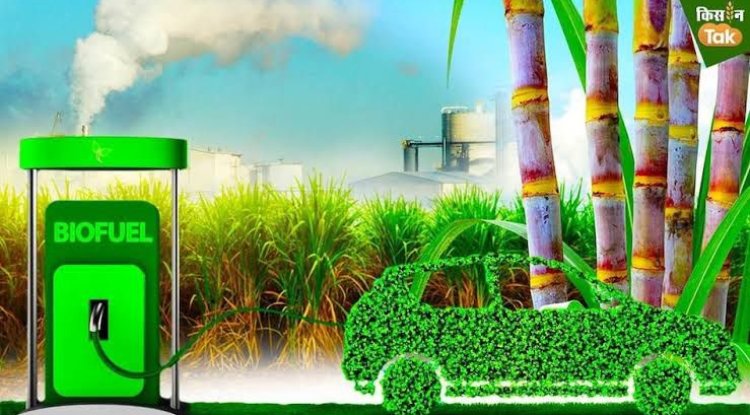
Bioenergy policy in India is increasingly being viewed as a strategic response to energy security challenges and economic pressures.
Industrial energy policy experts speaking in New Delhi on June 14, 2026, observed that India is increasingly relying on bioenergy as a strategic energy option to enhance energy security, reduce import dependence and boost rural incomes.
The article underscores the need for India to reduce its reliance on imported energy supplies, as geopolitical issues impacting the shipping lanes and fuel prices worldwide have again hammered into the question of India's dependency on energy imports, especially for fertiliser production. The vulnerability has highlighted the importance of more resilient, locally shaped energy framework, experts say.
The Indian ethanol blending programme is a good early case study of the potential of disciplined policy and clear targets. The country's ethanol blending programme serves as an important case study of how clear policy targets can drive results. India successfully achieved its 20% ethanol blending target on schedule, generating substantial foreign exchange savings and providing economic benefits to farmers supplying ethanol feedstock.
According to policy analysts, the next move is to scale up the approach to the other components of the bioenergy value chain, including bio-fertilisers, compressed biogas (CBG) and increased levels of biofuel blending, while establishing a predictable pricing mechanism, ensuring guaranteed offtake arrangements, and setting up investment-friendly pro-renewable frameworks that render these segments financially viable at scale.
But the article highlights that India has seen its various efforts towards bio-energy stuck in various distinct policy silos with energy, agriculture and fertilisers programmes working more or less independent. Experts recommend introducing a single mandate with incentives aligned across ministries, the feedstock supply chain needs to be rationalised and bioenergy needs to be treated as a system and not as a number of stand-alone projects.
Examples cited include the success of drought-tolerant pilot CBG projects in which crop residues are used to produce fuel and nutrient-rich organic manure, and the promise of producing energy crops that require very little water compared to conventional feedstocks, such as sweet sorghum.
With the same level of policy focus and implementation seen in the ethanol programme, bioenergy can deliver a triple benefit: enhanced energy security, environmental protection and rural economic development through the production of clean energy from locally available agricultural resources.
What's Your Reaction?