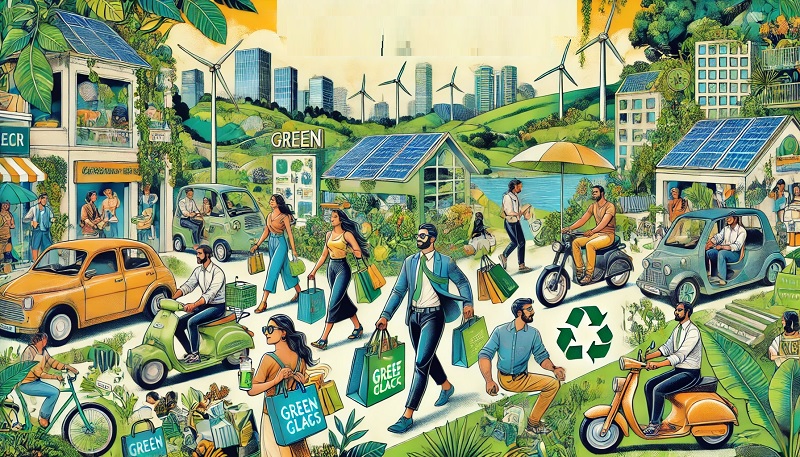
Digital transformation can support India's sustainability goals, but only if people and technology companies use, maintain and manage devices responsibly throughout their lifecycle

When people talk or discuss digital transformation and sustainability, the focus usually lands on the obvious stuff — going paperless, using digital payments, working together online, learning remotely. These changes definitely matter and have become a big part of the sustainability story. But that’s only one side of the picture: making things more efficient. I’m convinced digital transformation can speed up India’s sustainability goals, but only if everyone involved acts responsibly — from the people using the technology to the companies making it, and the whole digital ecosystem around it. That’s because digital transformation isn’t just about swapping old ways for new digital ones. It’s about building a society where how we create, use, and care for technology throughout its entire life is just as important as the time and resources it saves.
The Sustainability We Don't Talk About
Every piece of technology goes through a journey — it’s designed, made, used, maintained, fixed when it breaks, and eventually retired. How responsibly we handle each step of that journey is what will shape how sustainable our digital future really is. But this side of sustainability often gets overlooked. Most of the talk about the environment starts when a device lands in our hands, even though its impact is shaped by choices made way before we use it and long after it’s out of commission. Seeing the whole picture changes how we think about digital transformation. It’s not just about what technology lets us do, but also about how carefully we manage it through every stage of its life.
Environmental Responsibility Is the Next Chapter of Digital Literacy
Digital literacy efforts in India are still ongoing. This is an exciting time for us to determine how we want to define digital literacy for the future. While learning about digital literacy, we also need to learn about the responsible usage of technology.
This is not only about being aware of our own privacy or cybersecurity practices. It is about being able to prolong the life of our devices through maintenance and repair instead of replacing them whenever possible, submitting spare or non-working electronic parts through official channels and buying products which will not only work better but last longer.
On their own, such acts might not look like much. However, collectively, they can make quite a difference in terms of sustaining our environment, even as digitisation progresses. Digital literacy should not just mean using digital technologies, but also using them responsibly.
Innovation Must Extend Beyond the Device
Although the individual is a significant factor in this process, the burden of responsibility cannot solely be on consumers. There is an equally crucial role for the technology industry to play in ensuring that sustainability is made accessible and practical.
Innovations have to be defined not only through speed and performance but also through the product's design, support and sustainability. Product durability, reparability, ongoing software optimisation, good after-sales service and proper e-waste management programmes have to be included in the whole process of product development and not just an add-on component to the product.
Innovation ultimately has to be assessed not only in terms of new features but also the value which it continues to deliver in the long run. Innovations worth their salt will continue to work for their users even long after the novelty of the product has passed.
A Digital Future Worth Building
India's digital transformation is one of the country's greatest opportunities for economic and social progress. It also presents an opportunity to redefine what sustainable progress looks like in the digital age.
A responsible digital ecosystem cannot be built through technology alone. It emerges when responsible choices become part of our digital culture; when individuals, businesses and institutions begin to see sustainability not as an additional responsibility, but as a natural part of participating in the digital world. That is what digital maturity should look like: a society where technological progress is matched by an equally thoughtful approach to how technology is valued, used and sustained.
At Primebook, we believe the next chapter of India's digital journey is not just about creating smarter technology, but about cultivating a smarter digital culture. Because when responsible digital habits become a shared value rather than an individual choice, sustainability ceases to be an aspiration; it becomes a defining characteristic of the ecosystem itself.
Views expressed are personal
Read more guest posts here
What's Your Reaction?