US carbon capture and storage projects face rural opposition over safety and land use concerns, despite potential to cut emissions significantly.
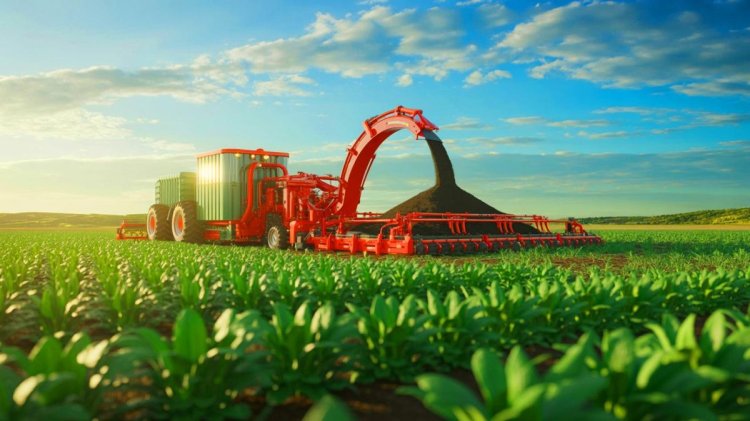
Carbon capture and storage (CCS) projects in the US, designed to bury CO2 underground, are meeting resistance from rural communities concerned about safety and land use. While supported by environmental advocates, these initiatives raise questions about their long-term viability. This article explores CCS technology, its potential to combat climate change, and the challenges of community acceptance.
CCS involves capturing CO2 emissions from industrial sources, such as power plants, and injecting them into underground geological formations for permanent storage. The US aims to scale CCS to meet net-zero targets by 2050, with projects like the Midwest Carbon Express planning to store millions of tonnes of CO2 annually. The technology could reduce emissions from hard-to-decarbonise sectors like cement and steel, which account for 30% of global CO2.
The process is complex. CO2 is captured, compressed into a liquid-like state, and transported via pipelines to storage sites, often deep saline aquifers or depleted oil fields. The US has over 20 CCS projects in development, supported by $12 billion in federal funding under the Inflation Reduction Act. These projects could capture 50 million tonnes of CO2 annually by 2030, equivalent to removing 12 million cars from the road.
Rural communities, however, are wary. Landowners fear pipeline leaks, which could release CO2 and contaminate groundwater. A 2020 pipeline rupture in Mississippi hospitalised dozens, amplifying safety concerns. Storage sites also require large land areas, disrupting agriculture and property values. In states like Iowa and North Dakota, farmers have protested, citing risks to soil and water resources.
Environmentalists are divided. Proponents argue CCS is essential for industries with no viable alternatives, potentially cutting global emissions by 15%. Critics contend it extends fossil fuel reliance and diverts resources from renewables. The high cost of CCS, averaging $100 per tonne of CO2 captured, also raises questions about economic feasibility compared to solar or wind, which are now cheaper.
Technical challenges persist. Not all geological formations are suitable for storage, and monitoring for leaks over decades is resource-intensive. In India, CCS is being explored in the cement sector, with TACC Limited and NCB piloting carbon capture for concrete production. However, India’s focus remains on smaller-scale applications due to cost and infrastructure limitations.
Community engagement is critical. Successful projects in Norway and Canada have prioritised local input, offering economic benefits like job creation. In the US, developers are offering compensation, but distrust remains. Transparent risk assessments and strict regulations could build confidence, but opposition may delay or derail projects.
CCS holds promise for reducing emissions, but its success depends on addressing community concerns and proving long-term safety. Balancing technological ambition with local needs will determine whether carbon burial becomes a cornerstone of climate action or a point of contention.
Source: Sustainability Times
What's Your Reaction?