Standard Chartered and Haritika Partner with Indian Army to Plant One Million Trees
Standard Chartered Bank India and Haritika have launched Project Treedom 2.0, aiming to plant one million native trees across Army establishments in Gwalior, Babina, Sagar, and Ahmednagar. The initiative targets ecological restoration, biodiversity conservation, and carbon sequestration, with long-term benefits for local communities and the environment.
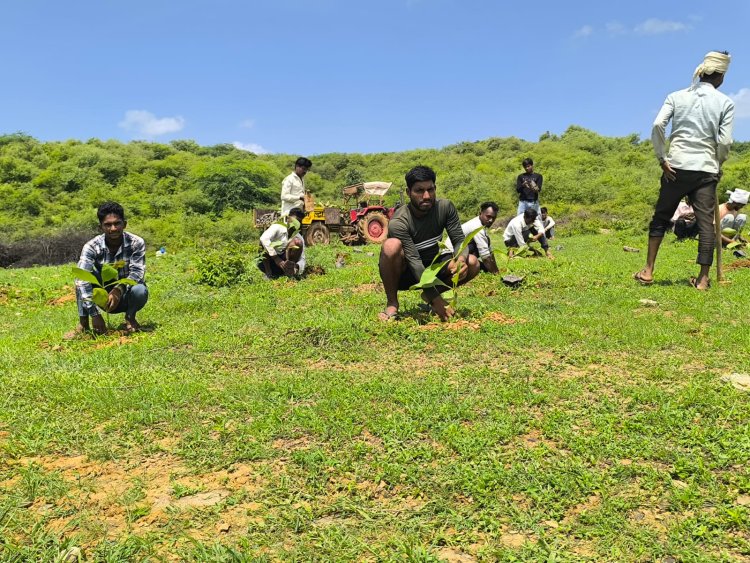
Standard Chartered Bank India has joined forces with Haritika, a non-governmental organization, to initiate "Project Treedom 2.0," which involves planting one million indigenous trees across multiple Army establishments in India as part of an extensive environmental campaign. It is being implemented in four major military bases, namely Gwalior, Babina, Sagar, and Ahmednagar; it seeks to increase green cover while dealing with persistent ecological issues in the area.
In these areas, the plantation drive will be evenly distributed, with Babina and Sagar receiving 3 lakh trees for every 10 lakh saplings planted so far, and Gwalior and Ahmednagar getting 2 lakh. Project Treedom 1.0, which began in 2023 and involved planting one million trees with Bhumi in areas such as Ahmednagar, Manesar or Jodhpur is now the latest development. The scale and ambition of Treedom 2.0 are indicative of the growing interest of Standard Chartered in sustainable development and environmental protection.
The northern and central parts of India, where the plantations are located, are particularly vulnerable to water shortages and erratic weather patterns. These difficulties have had an enduring effect on the agricultural productivity and livelihoods of generations. Agroforestry principles are being applied in the planting of native species through Project Treedom 2.0 to restore ecological balance. Every plantation site is equipped with drip irrigation and solar-powered water-lifting systems to manage water sustainably and environmentally.
Since August 2024, this project has been in preparation, with thorough groundwork being done at each site before the plantation could begin. The task involved identifying appropriate locations, conducting ecological assessments, and installing irrigation and fertilization systems. These preliminary activities are intended to increase the plantations' survival and long-term success.
In addition to green cover, Project Treedom 2.0 has environmental benefits. Approximately 70-80% of trees are expected to survive, and the project is anticipated to trap approximately 447,023 tons of carbon dioxide annually. Climate change mitigation will be significantly supported by this initiative for a period of at least 20 years. By planting a variety of native tree species, biodiversity is enhanced, and nearby communities can access fruit and medicinal resources while also supporting the natural environment.
Project Treedom 2.0 is a representation of the involvement of civil and military institutions in managing environmental concerns.' Army establishments play an essential role in hosting these plantations, providing the necessary land and infrastructure support.... Military stations are embracing an ecological approach to enhance their sustainability and green development within their premises.
According to a leading media outlet, officials from Standard Chartered Bank and Haritika highlighted the project's long-term goals, emphasizing the importance of building resilient ecosystems and healthier communities. Financial institutions' business strategies are now more aligned with environmental, social, and governance (ESG) goals due to the initiative.
Standard Chartered's sustainability efforts in India are part of its global vision to promote prosperity through inclusive and sustainable practices. Throughout its 165-year history in India, the bank has been instrumental in driving numerous environmental and community-based initiatives, emphasizing the importance of sustainability beyond traditional banking and financial services. The head of sustainability at the bank stressed the importance of collective action and private sector investment in addressing climate issues while also improving the well-being of communities.
Haritika was established in 1994 and has a presence in various states such as Uttar Pradesh, Madhya Pradesh (also known as Karnataka), Rajasthan, and Maharashtra. The organization's objectives involve addressing poverty, enhancing literacy and healthcare, and initiating community-based development initiatives. The organisation is focused on addressing various issues, including sanitation, renewable energy, carbon sequestration, and climate-friendly agriculture. Through Project Treedom, they have teamed up with Standard Chartered to create a successful blend of grassroots action and corporate responsibility.
According to senior Army officials from the participating establishments, the project is expected to result in environmental and community benefits, which they are appreciative of. Military members are providing ongoing support for the project, including involvement in maintenance and awareness campaigns.
It is also a community-based project that hopes to benefit local people by using forest products such as fruits and herbs, while also helping with the maintenance of the plantations.'". It not only involves local communities in creating green jobs, but it also focuses on rural livelihoods and environmental education.
The emergence of Project Treedom 2.0 coincides with India's pressure to meet its climate targets, including those established by the Paris Agreement. The country's strategy to enhance carbon sinks and improve climate resilience is being bolstered by the implementation of large-scale afforestation programmes, particularly in regions that are becoming more vulnerable to rising temperatures, droughts, and unpredictable rainfall.
Regular monitoring and sustainability assessments will be conducted to monitor the growth and ecological health of the trees planted as part of this project. The project's sustainability is maintained through the implementation of drip irrigation, solar technology, and native species selection.
Through Standard Chartered's funding and the grassroots initiative called Project Treedom 2.0, which seeks to promote environmental regeneration, Public-Private partnerships are becoming more common. If successful, it will inspire other institutions and corporations to undertake similar projects, which will help India become more climate-friendly in the future.
What's Your Reaction?