Clean Energy Hits 40% But Emissions Reach Record
Clean energy rose to 40% in 2024, but soaring power demand during heatwaves pushed emissions to a record high.
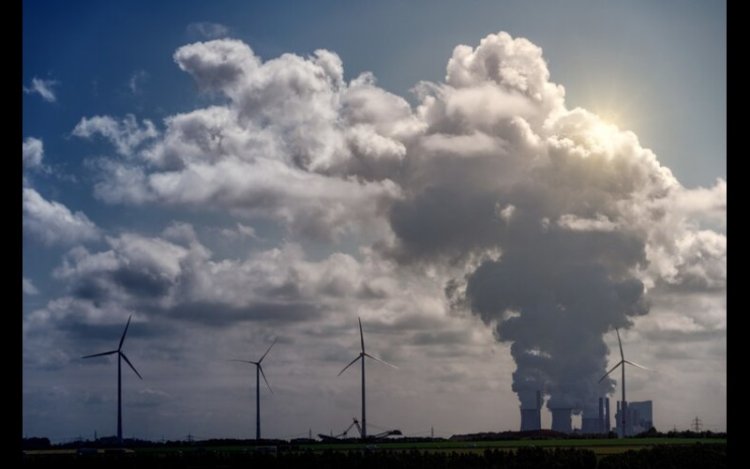
In a defining moment in the global energy shift, clean electricity sources powered over 40% of global electricity in 2024, as per a new report published by the energy think tank Ember. This dramatic milestone, much facilitated by the accelerated growth in solar power, is a marker of an emerging shift in the production of the world's energy. Yet the report also shows a troubling trend: even with the expansion of renewables, world carbon dioxide (CO₂) emissions from power generation last year hit a record high.
The dominant cause of this paradox is the accelerated demand for electricity, which has surpassed expansion in clean energy production. Increases in global temperature, particularly those seen in summers with severe heat waves, fed into an surge in electricity consumption, largely triggered by greater reliance on air-conditioning systems. The rising demand was particularly seen in rapidly emerging economies such as China and India, where increased availability of coolants due to an expanding middle class and enhanced urban temperatures has rendered cooling appliances more crucial than ever before.
Solar power became the quickest-growing source of electricity in 2024, with its global generation doubling within the last three years. China was the driving force behind this solar surge, accounting for more than half of the new solar capacity added to the world. India also advanced considerably, with its generation of electricity from sunlight doubling between 2023 and 2024. Together, solar power supplied just under 7% of the planet's electricity last year, a proportion approximately equivalent to India's total electricity use.
Wind energy also maintained its consistent growth, providing slightly more than 8% of world electricity in 2024. Hydropower was still the biggest source of clean electricity, with a 14% contribution, and nuclear power contributed 9%. While hydropower and nuclear are established clean energy pillars, their growth has been relatively slow compared to the explosive growth of solar and wind. This gap highlights the shifting dynamics in the renewable energy market, where newer technologies such as photovoltaics are increasing at a faster pace because of declining costs and enhanced efficiency.
In spite of the promising increase in the proportion of clean energy in the global electricity mix, overall demand for electricity increased by 4% in 2024. A large part of this demand was fueled by the requirement for cooling during heatwaves, especially in warmer and developing parts of the world. In order to satisfy this increasing consumption, most nations were compelled to become increasingly dependent on fossil fuels, especially coal and gas. Coal provided 34% of the world's electricity supply, and gas provided 22%. Consequently, emissions from the power sector increased to 14.6 billion tonnes of CO₂, the highest ever recorded annual level.
The study points out that this is the first time in history, dating back to the 1940s, that clean energy has accounted for over 40% of electricity generation worldwide. At the beginning of the 20th century, hydroelectric power had a much greater share in electricity generation owing to lesser total demand and less competition. Nevertheless, in the current energy scenario, even as renewable energy has been making more substantial contributions, carbon emissions have not yet demonstrated a steady declining trend. This is mainly because the increase in electricity demand continues to surpass the pace at which clean energy capacity is being installed.
The report also shows how emerging regional growth patterns are shaping the world's emissions landscape. In China and India, where energy needs and economic growth are increasing fast, coal and gas are still proving dominant in filling demand. While both countries are heavily investing in renewable infrastructure, the shift has not been rapid enough to lower overall emissions.
Compounding the challenge is the fact of climate change itself. March 2025 was the second-warmest March on record, as reported by the Copernicus Climate Service, as part of a larger pattern of increasingly extreme weather. These warmer conditions increase electricity demand, especially for cooling, in a feedback loop that puts pressure on clean energy advancement.
Ember's report warns that unless global electricity demand levels off or the rollout of renewables speeds up even further, fossil fuels will continue to be a major component of the world power mix in the near term. The path to a low-carbon energy future is still steep, and although the world is advancing, the speed needs to increase if emissions are to come down in line with climate targets.
What's Your Reaction?