Japan faces a 70–80% chance of a magnitude 8–9 earthquake along the Nankai Trough in the next 30 years. Experts warn of tsunamis up to 34 meters and potential casualties reaching 298,000. The government updates disaster response plans.
Introduction
Japan is at significant risk of a powerful earthquake along the Nankai Trough, with experts estimating a 70–80% chance of a magnitude 8 to 9 quake occurring within the next 30 years. The Nankai Trough, a 900-kilometer-long underwater fault zone off Japan’s southwest Pacific coast, is where the Philippine Sea Plate is subducting beneath the Eurasian Plate. This ongoing geological process builds up immense tectonic stress, which historically results in massive earthquakes approximately every 100 to 150 years.
Why the Nankai Trough Is a Major Concern
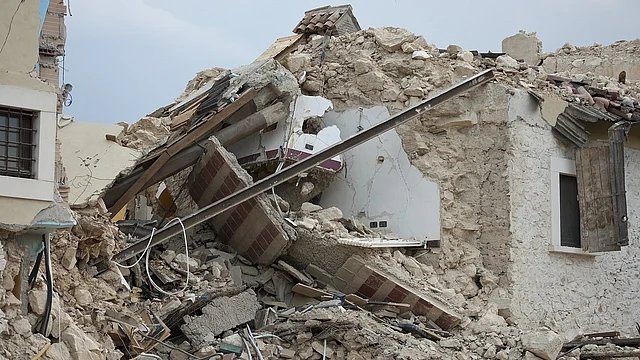
The potential consequences of a major earthquake in the Nankai Trough are severe. In a worst-case scenario, Japan could see 1.23 million evacuees, nearly 1% of the country’s population. The disaster could result in up to 298,000 deaths, mainly from tsunamis and collapsing buildings if the earthquake strikes late at night in winter.
Projections suggest that a magnitude 9 earthquake in the Nankai Trough could generate tsunamis reaching heights of 30–34 meters within minutes, devastating coastal regions such as Shizuoka, Kochi, and Wakayama. The updated government estimates, revised from a 2014 forecast, predict 215,000 fatalities due to tsunamis, 73,000 deaths from building collapses, and 9,000 from fires.
Historical Context and Earthquake Patterns
Large earthquakes in the Nankai Trough have been recorded since 684 CE, often accompanied by destructive tsunamis. The most recent major event occurred in 1946, when an 8.0 magnitude earthquake triggered 6.9-meter-high tsunami waves, killing 1,330 people. Historical records indicate that earthquakes in this region tend to occur in cycles of 100–200 years, reinforcing the concerns about an imminent disaster.
Experts continue to monitor seismic activity in the area, warning that a rupture along the fault could have catastrophic effects. The Japanese government has been updating disaster preparedness measures to mitigate damage, focusing on improving evacuation plans, reinforcing infrastructure, and raising public awareness about earthquake and tsunami risks.
Conclusion
The Nankai Trough presents a significant earthquake risk, with projections indicating a high probability of a massive tremor within the next few decades. Given past patterns and the accumulating tectonic stress, Japan must prioritize preparedness efforts to reduce casualties and damage. Strengthening coastal defenses, improving early warning systems, and educating the public remain critical steps in minimizing the impact of a potential Nankai Trough earthquake.
Source: Reuters
What's Your Reaction?