A new study warns that climate change could wipe out up to one-third of the plant species relied upon by Indigenous communities in the Amazon by 2080, putting centuries of traditional knowledge at risk.
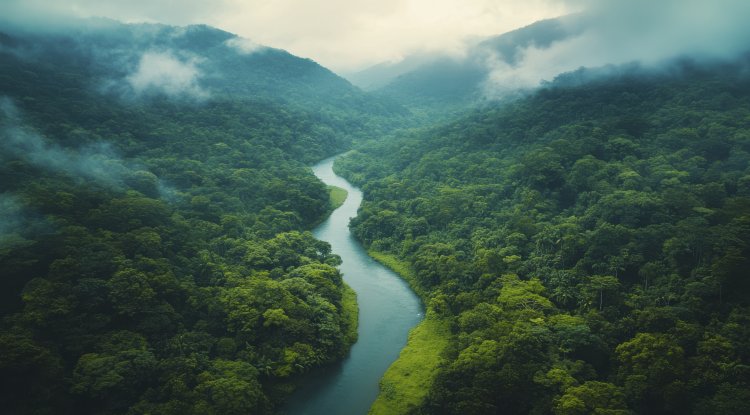
Climate change may destroy the plants on which Indigenous people in the Amazon rely, along with the cultural knowledge of how to use them—a body of knowledge that has taken thousands of years to develop and exists nowhere else.
A study by the University of Zurich's Rodrigo Cámara Leret, in collaboration with Conservation International scientist Patrick Roehrdanz, found that Indigenous peoples in the Amazon rely on at least 5,796 plant species, representing more than one-third of the region's known flora. The study is the first to quantify the threat climate change poses to this vast body of traditional knowledge.
The findings suggest that, by 2080, Indigenous communities in the Amazon could lose, on average, 28–34% of the plant species they use due to climate change. As a result, the interconnected network of plants and the knowledge associated with their uses is projected to decline by 26%. As plant species disappear from an area, so too do their names, traditional uses and the generations of knowledge built around them.
"The climate tipping point for Amazonia will not only affect biodiversity but will also have a cascading effect on the region's unique cultural heritage," Cámara Leret said.
The implications extend beyond the Amazon. Some plants used by Indigenous communities are wild relatives of the world's major food and fibre crops and could play a crucial role in adapting agriculture to climate change. Wild genetic material from these plants is becoming increasingly important for improving disease resistance in commercial crops, many of which have limited genetic diversity.
Cacao is one such example. Some of the most valuable disease-resistance genes used by plant breeders have been derived from wild cacao trees found in river basins across the Brazilian Amazon.
To support conservation efforts, the research team has made its underlying database publicly available. The database compiles more than 76,000 literature records documenting the traditional uses of Amazonian plants and is intended to serve as a resource for scientists, policymakers and Indigenous communities.
"While the plants are important, what we have to recognise and work to protect is the relationship between plants and people," Roehrdanz said.
What's Your Reaction?