A new study finds climate policies aligned with the Paris Agreement could prevent over 13.5 million premature deaths from air pollution by 2050, while highlighting the need to balance fairness and public health.
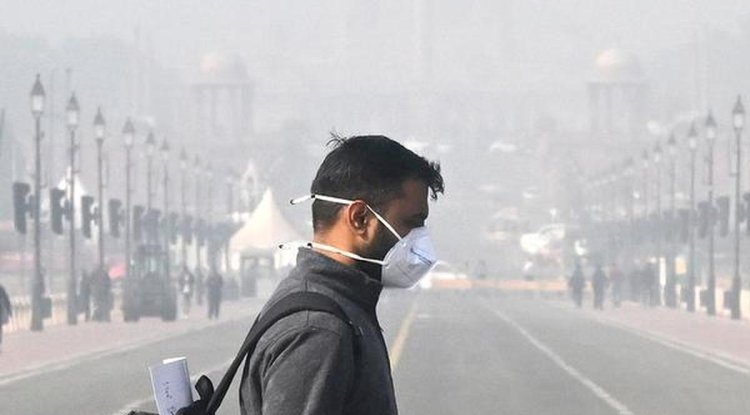
Measures aimed at restricting climate change to 2°C will save more than 13.5 million people from early death as a result of air pollution between 2020 and 2050, suggests a new study published in The Lancet Global Health. However, researchers believe that health gains will largely be determined by how nations share the burden of reductions in greenhouse gas emissions.
An international study evaluated several scenarios aimed at reaching the climate goals outlined in the Paris Agreement in 178 countries. In their study, researchers estimated how different policies would influence emissions, air quality, the population's health, and well-being in the next decades. The vast majority of lives saved by these actions will be in low- and middle-income countries, where air pollution poses a serious threat to public health.
In one of the scenarios, emissions reduction was maximized where it is cheaper to reduce them. This policy means more emissions reductions in developing countries but yields the greatest air quality improvements, resulting in the most avoided deaths.
The final scenario imposed more of the climate change obligation on richer nations on grounds of fairness. Though the financial burden will be lessened, this will result in lower amounts of coal reduction in areas with the worst air quality. According to the findings, close to four million premature deaths could be avoided by adopting the other method.
To solve this problem, scientists suggested another way out. With this strategy, developing nations will use the freed-up money from lower climate change mitigation costs to pay for traditional air pollution control, including the reduction of emissions of soot, sulfur dioxide, and other air pollutants by power and manufacturing plants.
This combination strategy yielded the best results. It maintained the equity of rich countries being asked to bear more of the costs associated with climate change and the health benefits related to clean air. In most cases, it was sufficient to fund the extra pollution control due to savings from lower climate change costs.
The findings come as countries prepare future climate commitments under the Paris Agreement. The authors argue that air quality should play a larger role in climate negotiations, noting that policies addressing emissions and public health together can produce greater long-term benefits than treating them separately.
What's Your Reaction?