CO₂-Eating Buildings: Miracle or Menace? Elites Push "Green" Cement as Critics Warn of a Dangerous Scam
CO2-eating buildings using carbon-absorbing cement aim to decarbonize construction, but high costs and safety concerns spark debate over their feasibility.
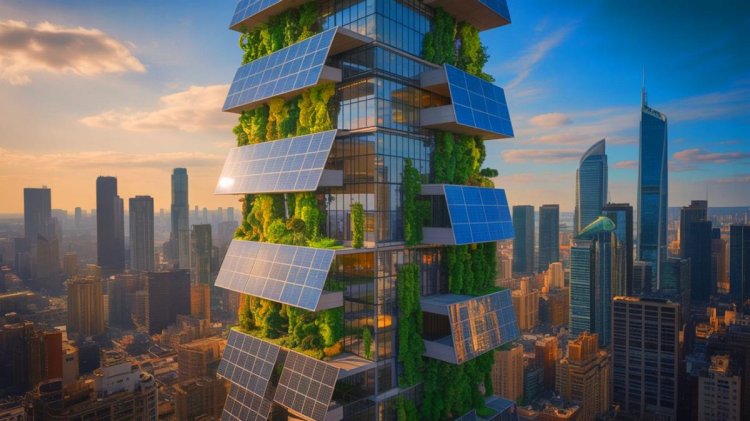
A new wave of construction projects aims to use CO₂-absorbing cement to create buildings that capture carbon, but concerns about feasibility and safety have sparked debate. Backed by some industry leaders, these projects face criticism from workers and architects who question their practicality. This article explores the technology behind CO₂-eating buildings, its potential benefits, and the challenges it faces in transforming the construction sector.
Cement production contributes roughly 8% of global CO2 emissions, making it a key target for decarbonisation. CO₂-eating buildings use innovative cement formulations that absorb carbon dioxide from the atmosphere during their lifecycle. These materials, often infused with additives like calcium oxide or algae-based compounds, chemically bind CO2, effectively turning buildings into carbon sinks. Pilot projects in Europe and North America are testing this technology in residential and commercial structures, aiming to reduce the construction industry’s environmental impact.
The technology offers significant potential. A single CO2-absorbing building could capture hundreds of tonnes of carbon annually, depending on its size and materials. This aligns with global net-zero goals, such as those outlined by the Paris Agreement. By integrating these materials, the construction sector could offset emissions from traditional cement production, which requires high-energy kilns and limestone processing. Some projects also incorporate recycled materials, supporting circular economy principles and reducing waste.
However, challenges are substantial. Critics argue that the technology is unproven at scale, with current projects limited to small demonstrations. The production of CO2-absorbing cement is costly, often double the price of conventional materials, making it less viable for widespread adoption. Safety concerns also arise, as the long-term stability of these materials under varying environmental conditions remains untested. Workers worry about health risks from handling new compounds, while architects question whether the technology can meet structural standards for large-scale buildings.
Environmentalists highlight additional risks. Scaling production could strain resources, such as water and energy, needed for specialised cement manufacturing. If not carefully managed, the process could offset its carbon benefits. Critics also point out that the focus on high-tech solutions distracts from proven low-carbon alternatives, like timber or geopolymer concrete, which are already cost-effective and widely available.
Supporters argue that innovation is essential for decarbonising construction. Pilot projects, such as a CO2-absorbing office block in Canada, show promising early results, capturing 10% of the building’s construction emissions within a year. Industry leaders are investing in research to improve scalability and reduce costs. Governments, particularly in the EU, are offering subsidies to encourage adoption, aligning with 2050 net-zero targets.
India, a major cement producer, is exploring similar technologies. The partnership between TACC Limited and the National Council for Cement and Building Materials, announced in July 2025, includes CO2 capture in concrete production, offering a potential model for integrating these innovations locally. However, India’s focus remains on smaller-scale pilots due to cost and infrastructure constraints.
Sceptics urge caution, emphasising the need for rigorous testing and transparent data. Without clear evidence of long-term efficacy, widespread adoption could lead to costly failures. Balancing innovation with practicality will be key to ensuring CO2-eating buildings contribute meaningfully to climate goals without compromising safety or affordability.
Source: Sustainability Times
What's Your Reaction?