Brazil’s Push for Green Hydrogen: Can It Compete Globally?
Brazil is advancing its green hydrogen initiatives in 2025, aiming to become a key exporter in the global clean energy market. This article examines Brazil’s current projects, policy updates, and challenges in competing internationally.
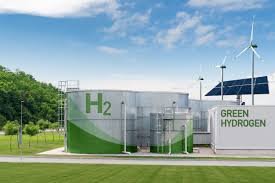
Brazil is increasing its focus on green hydrogen production in 2025 as part of its broader strategy to transition toward a low-carbon economy. Backed by abundant renewable resources such as wind and solar energy, Brazil is positioning itself as a competitive player in the global green hydrogen market. While nations across Europe, Asia, and the Middle East invest heavily in hydrogen infrastructure, Brazil aims to leverage its natural advantages and existing clean energy portfolio to attract both domestic and international investment.
Body
In recent years, Brazil has initiated several large-scale projects aimed at producing green hydrogen—hydrogen generated using renewable energy rather than fossil fuels. The northeastern states of Ceará, Pernambuco, and Bahia have become focal points for these initiatives due to high solar irradiance and wind availability. Companies such as EDP Brasil, Neoenergia, and international firms like Fortescue and Engie have announced hydrogen pilot projects and feasibility studies, aiming to establish export hubs near key ports.
Brazil’s potential stems from its renewable energy matrix, where more than 80% of electricity is derived from renewable sources, primarily hydropower, followed by wind and solar. This gives the country a cost advantage in producing green hydrogen compared to nations that rely on grid electricity with a higher carbon footprint. Furthermore, Brazil’s existing infrastructure, such as port facilities and logistics corridors, can be adapted for hydrogen export, particularly to Europe, which remains a key future market due to its clean energy mandates.
The government has introduced a national green hydrogen program, the Programa Nacional do Hidrogênio (PNH2), which outlines a roadmap for technology development, market regulation, and international collaboration. In early 2025, the Ministry of Mines and Energy updated the strategy to fast-track permitting and increase financing access through the Brazilian Development Bank (BNDES) and partnerships with multilateral agencies.
However, Brazil faces several challenges in scaling production and competing globally. First, the country lacks specific regulation around hydrogen certification and safety standards, which are crucial for accessing global markets. Additionally, infrastructure for hydrogen storage, transportation, and conversion remains underdeveloped. Compared to countries like Germany, Australia, or the UAE, Brazil is still in the early stages of building a cohesive hydrogen value chain.
Another issue is cost. Although Brazil has access to cheap renewable energy, electrolyzer technology remains expensive and often imported. Without local manufacturing capabilities or strong policy incentives, costs are expected to remain high in the near term, limiting competitiveness.
Despite these limitations, foreign investors have shown interest. The European Union and Germany have signed cooperation agreements with Brazil to support hydrogen development and technology transfer. In early 2025, a partnership was formalized between Brazil’s Ministry of Foreign Affairs and the German government to conduct pilot exports by 2027. At the same time, Brazilian state governments are offering tax incentives to attract hydrogen-related industries.
Brazil’s competitive position in the global green hydrogen race will depend on how quickly it can close the regulatory, technological, and logistical gaps. Unlike fossil fuel-dependent countries, Brazil’s strength lies in its renewable base and geographic advantage. But without aggressive policy coordination and investment in infrastructure, its potential may remain underutilized.
Conclusion
Brazil’s efforts to enter the global green hydrogen market are progressing, but the country still has considerable work ahead. If it can align policy, attract investment, and develop export infrastructure, it could become a leading supplier of green hydrogen, particularly for markets in Europe and Asia. In 2025, Brazil is not yet a dominant force, but the foundations being laid today could shape its energy export future in the coming decade.
Sources :Ministry of Mines and Energy, Brazil (MME): Programa Nacional do Hidrogênio (PNH2) Strategy Update, 2025
What's Your Reaction?