


Journey is slow but demands commitment. It has taken decades of sustained presence in the same communities to see real change
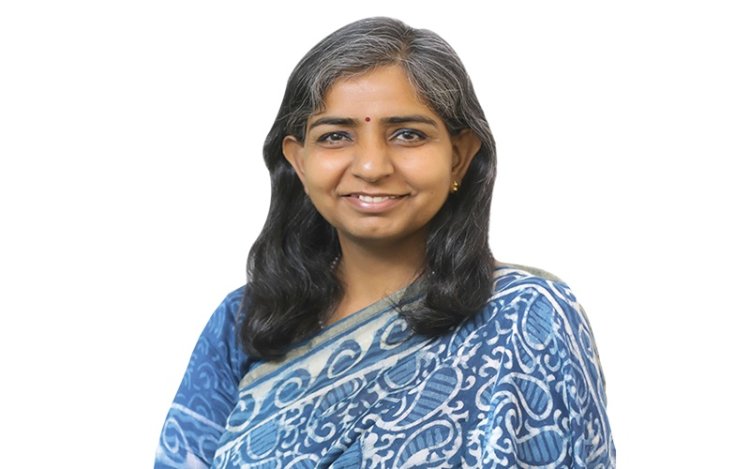
“We are a responsible resource mining entity,” Anupam Nidhi, CSR Head, Vedanta Group & Hindustan Zinc, said as she explained how the company sees its role in the sector, during the Livelihood India Summit. She added that Hindustan Zinc is one of its subsidiaries, but what matters to her is something far more fundamental: mining has always been driven by capital, yet her own work has focused on making sure women find their place in an industry that rarely makes room for them.
For her, that effort begins long before anyone enters a mine. It means creating a clear path—from institutes to industry, and from rural villages to formal education and eventually employment. She said the change is now visible on the ground. Close to a quarter of Vedanta’s mining operations are led by women today, not in supporting roles but right in the thick of mining and cementing work. These women are selected, trained and placed deliberately in operational positions.
She linked this shift to a broader transformation she sees across India. Still, the pace has been slow. Achieving 25 percent women in core operations took almost 20 years. “Persistence and patience have been key,” said Anupam Nidhi. Over the past decade, she has seen real changes in how companies think and work—mindsets are shifting, boards are becoming more inclusive, and leaders are now genuinely invested in these efforts. What once took ten years to achieve can now happen in three to five.
From a CSR perspective, she looks at everything through the lens of inter-generational growth—income, education, opportunity, and the ability to shape the future for the next generation. Vedanta works across 15 states, and she shared examples from rural areas that show how these pathways take shape.
Education is the first step, she explained. Supporting early childhood education, nutrition, and helping young girls grow into confident adolescents is where the cycle of poverty can start to break. Vedanta also focuses on higher education, skill-building, and creating institutions or partnerships that help children aim higher and imagine bigger possibilities for their future.. When mothers see progress and prosperity, she added, they push their children to strive higher.
She narrated the example of Uchhi Udaan in Rajasthan, a programme that brings rural youth—50 percent girls—into a residential system from Class 9. They stay for four years and prepare for engineering exams. Mobilising such students took time, but after ten batches, the outcomes are clear: girls from the first batch now work at Deloitte, Reliance and Wells Fargo, and some have returned to industries near their hometowns, including Vedanta. For Nidhi, these girls have become role models, paving the way for many others.
The second major layer she spoke of is financial inclusion—self-help groups, cooperatives and federations. India has a long history of women leading microfinance spaces, she said, and the collective strength of women borrowers has been transformative. Vedanta has supported around 45,000 women through SHGs and federations across its operations. In Rajasthan, these groups have saved about ₹20 crore and conducted nearly ₹120 crore in inter-lending.
Yet challenges persist. Banks still do not see these women as fully “bankable.” But change is happening: in Uttarakhand’s Bhatnagar region, where Vedanta has worked for 26 years, 4,500 women are now part of a federation that recently secured ₹6 crore in support from Uttarakhand Gramin Bank. This, Nidhi said, is a clear sign that institutions are beginning to trust the collective power of women.
Financial independence has visible effects. Women with savings and assets become opinion-makers in their families. They influence decisions for their children’s futures and reshape generational wealth patterns.
Nidhi then touched on a space where Vedanta has invested heavily—sports. She described how sports can become another gateway for women to re-enter the workforce, as coaches or players. The company runs grassroots academies for football and archery, with residential programmes for girls. Their women’s football teams now play in the women’s league among the top eight teams, setting new paths not just for individual players but for communities watching them.
She also noted that women-run micro-enterprises under various brands—Daigin, Bayer and others—earned revenues of around ₹10 crore last financial year. This, she said, is the long-term payoff of staying invested.
Nidhi concluded by saying the journey is slow but demands commitment. It has taken decades of sustained presence in the same communities to see real change.
What's Your Reaction?

















