COP31 Presidency outlines a dual leadership model with Türkiye and Australia, aiming to shift focus from negotiations to implementation ahead of the 2026 summit.
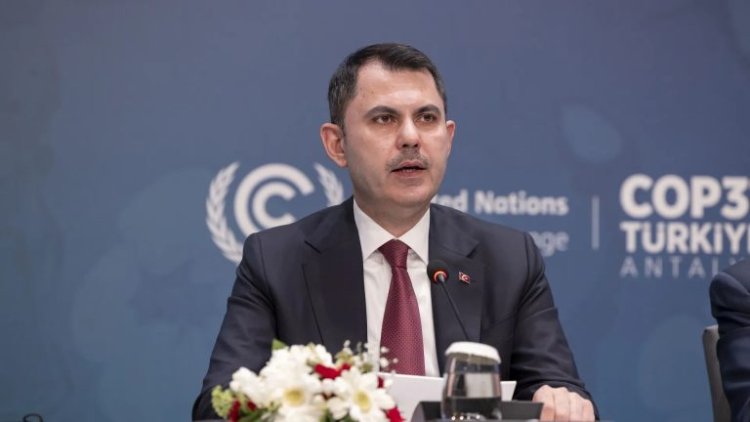
The COP31 Presidency has defined a blueprint aimed towards transforming the climate conferences from one of negotiation to implementation with regard to a joint leadership concept among Türkiye and Australia for the 2026 summit.
In a note to the UNFCCC, Designated President Murat Kurum outlined a strategy that will distinguish between political hosting and technical discussions with COP31 hosted by Turkey and the presidency of the Action Agenda to be headed by the Minister for Climate Change and Energy in Australia, Chris Bowen.
The blueprint proposes a dual-Presidency strategy meant to handle diplomatic engagements as well as actions. In addition, the plan is an attempt to deal with the recurring problem whereby the global climate pledges have not been seen to translate into national achievements.
According to the proposal, the cooperation strategy is a way to coordinate activities between the developed and developing nations with more emphasis on implementation. The Presidency has referred to COP31 as a venue for turning existing pledges into reality.
Agenda items include topics like circular economy principles, renewable energy adoption, industrial transitions, and biodiversity conservation. The Turkish delegation has emphasized scaling their zero-waste approach as a component of their decarbonization strategy, in addition to related strategies concerning sustainable urban environments and maritime resilience.
Designated climate champions will be responsible for organizing sectoral streams, such as energy infrastructure development and urban transformations. This will involve bridging policy frameworks and concrete project implementation.
Preparatory activities will start before the actual summit event that is scheduled to take place in November 2026 at the Antalya Expo Center. There will be a pre-COP gathering in Fiji and a leaders' meeting in Tuvalu. The discussion will likely center on climate-vulnerable areas and adaptation measures.
The proposed COP 32 roadmap suggests that there is an effort to expand engagement beyond the usual negotiation forums and integrate the input of small island nations and developing countries. The COP 32 program also indicates ongoing efforts to restore consensus under the UNFCCC process.
COP31 is coming after a long period of several climate conferences, where there was limited success in terms of setting goals for emission reductions and climate finance. The proposed approach by the Presidency does not create any new goals but emphasizes the need for implementation strategies.
The success of the model relies upon how well its implementation process is evaluated. Preparatory negotiations leading up to the summit will determine the topics that the conference will focus on.
What's Your Reaction?