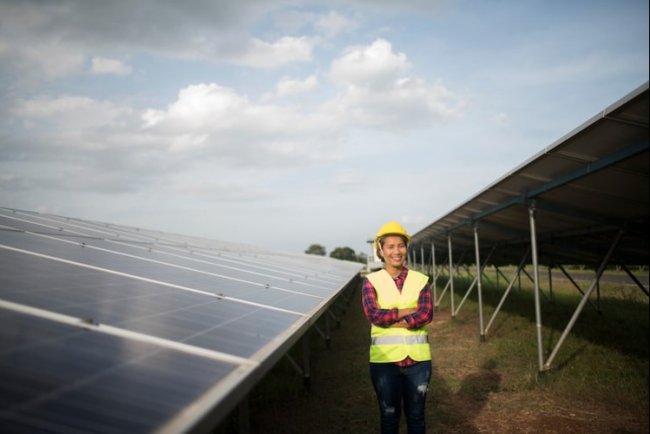
India has called for global cooperation on critical energy transition minerals to ensure secure supply chains, promote sustainable development and prevent resource inequality during the clean energy transition.
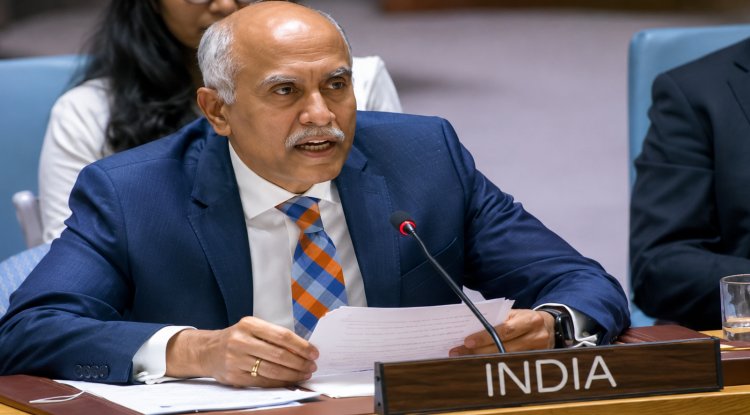
India has called for critical energy transition minerals to become drivers of sustainable development rather than catalysts for inequality, while emphasising that national ownership and resource sovereignty should remain the foundation of global cooperation.
At the UN, India's Permanent Representative, Ambassador Harish Parvathaneni, made these comments during the plenary session of the High-Level Meeting on Critical Energy Transition Minerals.
Critical minerals will play a key role in the clean energy transition and enable many developing countries to accelerate industrialisation, generate quality employment and strengthen domestic manufacturing, Parvathaneni said. He added that international cooperation needs to create space for countries to make progress towards maximising value addition and resilient participation in global value chains.
Rather than deepening inequalities, critical energy transition minerals must support sustainable development, he said, adding that India is ready to work with international partners to build resilient, transparent and diverse supply chains for shared prosperity and equitable distribution of the benefits arising from the energy transition.
Amid the rapidly expanding renewable energy sector, the Indian government is working towards strengthening critical mineral supply chain security through the National Critical Mineral Mission and international collaboration through the joint venture firm Khanij Bidesh India Limited (KABIL), which aims to secure supplies of critical and strategic minerals for India.
Parvathaneni also highlighted India's involvement in the UN Secretary-General's Initiative on Critical Energy Transition Minerals and its commitment to international collaboration to ensure a secure, sustainable and equitable energy transition.
India also urged the UN to support member states in strengthening technical cooperation, knowledge sharing and the utilisation of existing institutional mechanisms without creating duplication of efforts.
What's Your Reaction?