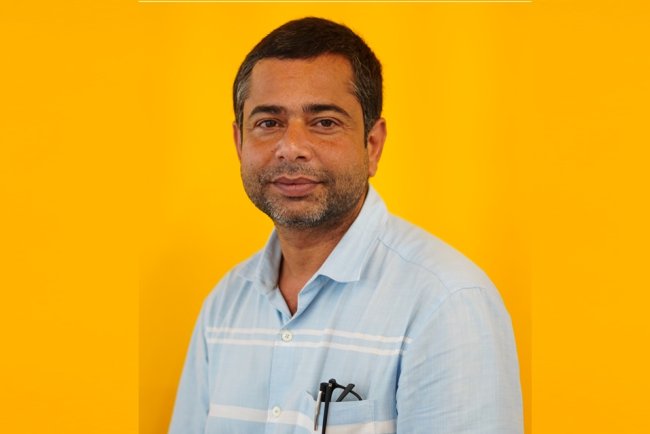
Design Must Drive Sustainability, Not Cosmetic Add-ons: Godrej Properties' Geetika Trehan
Geetika Trehan, CEO – North Zone at Godrej Properties, speaks about why the company is pushing wellness-led design over cosmetic sustainability

Geetika Trehan, CEO - North Zone at Godrej Properties, speaks about why the company is pushing wellness-led design over cosmetic sustainability. In this conversation, she breaks down how technologies like CTFA and MFHA fit into that approach, and why real change begins at the drawing board.
In what ways can sustainable urban planning and design be ensured through policy to impact over a long-term period?
Sustainable urban planning begins at the drawing board. Small design choices influence air quality, noise, and energy use not only during construction but long after residents have moved in.. Whether the home is energy-efficient, how waste will be managed-these choices all begin in design. From a design point of view, there are many ways to address these issues, and we have already begun doing it at scale. The ratings and recognitions we receive reflect the work on the ground. Our approach is wellness-based design. It isn't cosmetic. It is built into the project from day one and woven into every level of planning.
When you add these elements, there is a cost. How much investment has gone into these measures across projects?
I don't have one single figure. We look at this as an investment in wellness. Different projects include different features-some have CTFA and MFFA, some use other systems, and some rely more on wellness-centric design than technology. Costs vary by project because each includes different elements.
How do CDFA and MFHA differ from regular air purifiers?
CDFA works very differently from a basic indoor air purifier. A regular purifier cleans the same indoor air and circulates it back. It doesn't add freshness.
CDFA brings in fresh outside air, filters it through four stages pre-filter, a carbon filter for gases and odours, a HEPA H14 filter for fine particles, and finally ionisers and polarisers. This creates continuous circulation of clean, oxygen-rich air instead of recirculated stale air.
What area does one CDFA system cover?
CDFA is integrated into the home's central ducting system, so it covers the entire apartment.
MFHA is for outdoor spaces. Each outdoor unit covers roughly a 15-metre radius. Before installation, we study airflow, open area layout, and power requirements to determine the number of units. At this site, 20 units are installed. Across the larger project, you can already see around 80 units.
What role does community involvement play in holding citizens and the government accountable for air quality?
There are several layers. Government systems and certifications, such as IGBC, are already built into project design. It is up to developers to genuinely follow them. Most of our recent projects are gold or platinum rated, and silver is the minimum we aim for.
Then there are daily sustainability practices: energy-efficient materials, proper ventilation, low-heat-gain glazing, solar panels where possible, and structured waste management. The guidelines exist-the real test is disciplined implementation. We follow these at design and continue through construction. The result is energy-efficient, healthier homes.
Do you also plan recycling or regeneration of waste within societies?
We already use a lot of recycled material during construction. I don't have specific numbers with me.
We also have a sustainability unit within GPM focused on net-zero waste and net-zero design. That's one of the reasons we achieved the GRESB No.1 ranking with a full score of 100.
What about supply-chain sustainability-especially with contractors and material suppliers?
We run extensive training programmes for contractors. Whatever we expect onsite-proper waste handling, low-carbon practices, safety standards-they are trained to follow it. Our teams monitor every site. We also upskill workers, so they understand the sustainability processes we follow. Even if they've worked elsewhere, our way of working is made clear and implemented.
Do IGBC (Indian Green Building Council) or LEED (Leadership in Energy and Environmental Design)certifications influence pricing or sales?
Our philosophy isn't driven by sales. Wellness and sustainability are not add-ons for us. They are fundamental to how we build. Recognition is secondary. The goal is to build sustainably so residents genuinely experience the outcome.
Which other projects use similar technologies?
Zenith in Gurgaon has an advanced CTFA system. Godrej Air in Gurgaon also uses CTFA. Godrej Aristocrat has outdoor purification units.
Beyond purification, wellness is a major focus. Godrej Sora, for example, is built around a Japanese wellness theme with subtle design elements woven throughout.
Is the technology patented?
Not yet. We may explore it. In fact, after seeing today's impact, we joked this morning that we really should.
There are reports of labour shortage in the industry. Are you facing it?
It's an industry-wide issue. Even top construction companies report it. At GPL, we make sure workers at our sites are well taken care of. We are adopting technologies that improve working and living conditions, so their stay onsite is more stable. Safety is a major focus-gear, training, monitoring. We try to extend the same care we give employees to our labour workforce. The problem exists, but what matters is what you do about it. And we are doing our part.
What's Your Reaction?