EcoCeres and British Airways Sign SAF Deal to Reduce 400K Tonnes of CO₂
British Airways partners with EcoCeres in a multi-year deal to use waste-based sustainable aviation fuel, targeting a reduction of 400,000 tonnes of CO2 emissions. SAF will be produced from used cooking oil and supports BA’s plan to power 10% of flights with SAF by 2030.
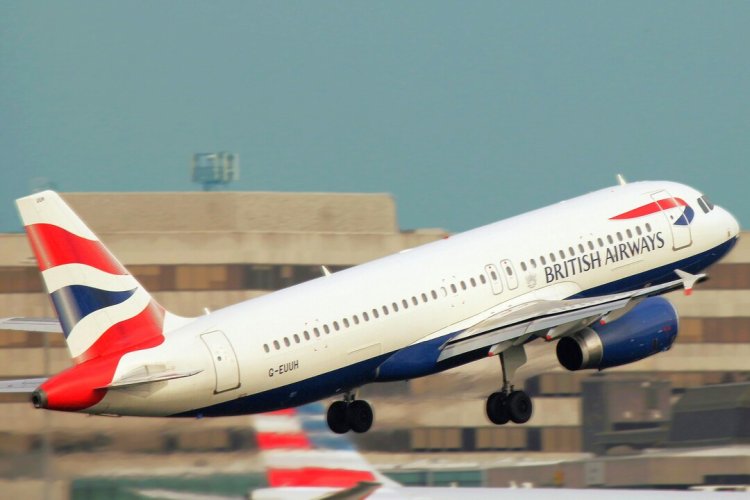
British Airways signed a multi-year agreement with renewable fuel producer EcoCeres to supply sustainable aviation fuel (SAF) to reduce lifecycle carbon by up to 400,000 metric tonnes. The SAF will be made using used cooking oil only as biomass feedstocks. The agreement will assist British Airways in achieving its target of running 10 percent of flights on SAF by 2030, as per the UK government's SAF policy.
It is made by Hong Kong company EcoCeres and has the potential to cut lifecycle greenhouse gas emissions by as much as 80 percent on average versus traditional fossil-derived jet fuel. Carbon reductions from the deal are forecast at the equivalent of the carbon footprint of a combined total of about 240,000 return economy-class flights between New York and London.
British Airways is part of a network of expanding airlines to try out greener fuel in a bid to reduce the environmentally harmful nature of flying. British Airways' Sustainable Aviation Fuel, for example, covered 2.7 percent of the airline's fuel consumption in 2024 and reduced carbon intensity by 13 percent compared to the 2019 baseline. One advantage of SAF is that its chemistry is the same as conventional fossil jet fuel, and therefore it will be feasible to blend it with current airplane engines and airport refuelling infrastructure without it requiring to be changed.
Although SAF continues to emit carbon dioxide when it burns, its net impact on greenhouse gases is much lower since the carbon is derived from renewable, biological origins and hence stays in the natural carbon cycle. SAF is thereby therefore a key near-to-medium-term solution to aviation de-carbonization, at least until industry is technology mature with hydrogen propulsion and electric flight.
EcoCeres, sponsored by private equity backers Kerogen Capital and Bain Capital, produces low-carbon fuels on commercial scale. A spin-off of Hong Kong towngas utility company and ISCC-certified, its sustainable aviation fuel (SAF), hydrotreated vegetable oil (HVO), and renewable naphtha are all produced on the back of waste and residue feedstocks.
British Airways partnership is embraced as a milestone for EcoCeres in securing further worldwide access to the SAF market. The deal is proof of increasing commercial aviation demand for low-carbon alternative fuel and further endorsement of waste-based biofuels' contribution to worldwide climate ambitions.
While in view is the environmental return, scale availability worldwide is not yet imminent. Global SAF use continues to be below 3 percent of all aviation fuel used worldwide. Industry experts foresee a transition at scale worldwide will depend on increasing production levels, building supply infrastructure, and consistent government incentivization by way of regulation.
The production of SAF is currently limited by feedstock availability, low yields, and the low number of commercial facilities. Indeed, developments like the research work by British Airways and EcoCeres are in the direction of establishing a system for sustainable markets along the way to fulfilling requirements someday across the globe.
Although neither of the carriers reports the size or terms of the deal, the strategic rationale is clear: both of them wish to minimize plane emissions in the race towards world net-zero ambitions. British Airways' overarching business strategy for sustainability is to be 2050 net-zero carbon, and SAF forms the cornerstone for such a strategy.
Sale of alternative fuel to aviation is a sign that the airline sector desires to break free from its carbon past. Pressure on the world airlines sector to cut carbon emissions will grow, and agreements between carriers and manufacturers will be more rapid in pace, giving birth to green aviation.
Source: EcoCeres, British Airways
What's Your Reaction?