Govt Clarifies E20 Petrol Impact—No Effect on Insurance or Mileage, Better Acceleration
India’s government confirms E20 petrol blending does not affect insurance validity or significantly reduce mileage, while boosting acceleration and cutting emissions. Programme advances energy security and rural incomes, with minor vehicle adjustments recommended for older models.
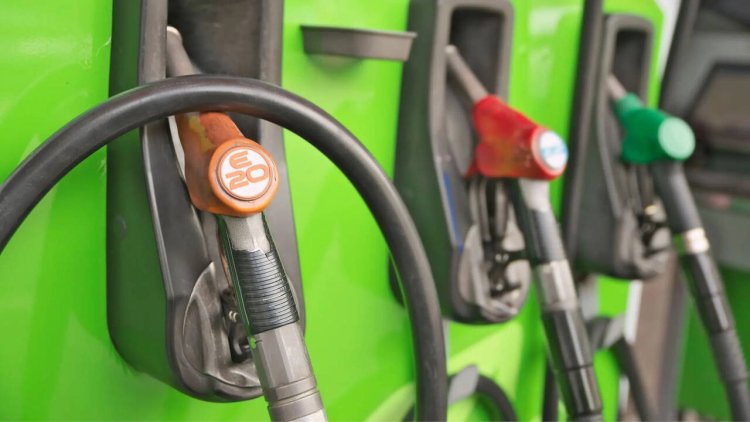
The Indian government has addressed widespread concerns regarding the use of E20 petrol, which contains 20% ethanol, in vehicles. The Ministry of Petroleum and Natural Gas confirmed that E20 fuel improves vehicle acceleration, reduces carbon emissions by about 30% compared to E10, and has a minimal effect on fuel efficiency in compatible vehicles. Contrary to social media rumours, E20 petrol use does not void vehicle insurance in India.
Recent clarifications highlighted that vehicles tuned for E20, including many models since 2009, benefit from a higher octane number (about 108.5 versus regular petrol’s 84.4), leading to smoother engine performance and improved acceleration—especially in city traffic. While some drivers may note slight changes in mileage, government-backed studies from Indian Oil Corporation and the Automotive Research Association of India found that any efficiency loss is marginal and mostly reliant on driver habits, maintenance, and road conditions, not fuel type alone.
Further, the government stressed that claims about insurance validity loss are baseless, resulting from a misinterpreted insurance company social post. Officials confirmed all vehicles using E20 retain valid insurance as long as they undergo regular servicing and minor recommended adjustments, such as replacing some rubber gaskets. International experience supports this, with Brazil safely running vehicles on E27 blends for years without significant engine or insurance issues, using similar car models.
The E20 programme supports India’s net zero emission goals and reduces reliance on imported crude oil, redirecting substantial funds towards rural farming communities for ethanol production. Between 2014–2025, India saved over ₹1.44 trillion in foreign exchange and cut nearly 7.36 million tonnes of CO₂ emissions by shifting to higher ethanol blends. Farmers are expected to gain around ₹40,000 crore in 2025 as ethanol demand rises, fostering rural incomes and agricultural diversification. The government plans to keep E20 blending in place until October 2026 and will consult with relevant sectors before making any further changes.
What's Your Reaction?