EU carbon market emissions declined in 2025, driven by rapid solar growth and lower industrial activity, signalling a shift in the region’s power mix and energy transition.
According to recent figures by the European Commission, emissions under the European Union Emissions Trading Scheme (ETS) were cut by 1.3 percent in 2025, as the rise in solar power production and low industrial activity changed the energy composition within the region.
The ETS scheme, which includes power generation, industries and aviation has led to a 50 percent reduction in emissions since it was launched in 2005, and it is still an essential part of the strategy to reduce emission levels by 62 percent by 2030.
In power generation, there was a slight reduction in the emissions from the use of fossil fuels at just 0.4 percent despite the increase in electricity production, which grew by 1.7 percent. This is not attributed to lower electricity demand but to changes in the power generation mix.
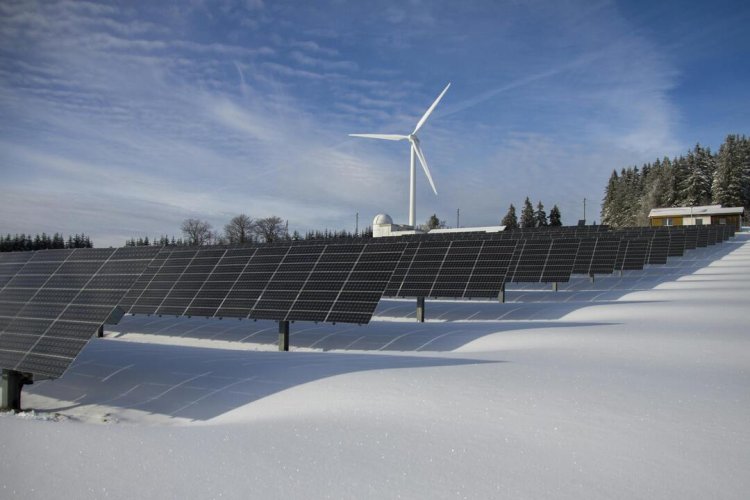
These changes in power generation were largely driven by solar energy. Solar power generation increased by 24.6 percent year-on-year, significantly outpacing other energy sources.
Solar energy has greatly contributed to the transformation process. Solar power production has grown by 24.6 percent compared to last year, making it the fastest-growing form of energy among other forms of renewable energy production. This was when it became the second-largest source of electricity production in the EU after wind.
Renewable energy generation was 47.3 percent of the EU's total energy generation, a slight increase compared to last year. Increases in solar energy generation compensated for reduced wind and hydropower generation. This has been caused by less windy conditions and reduced rainfall.
However, fossil fuels increased their generation by 3.5 percent, mainly due to an increase in natural gas. Emissions generated from coal-fired power plants reduced by 6.8 percent. Hence, there is a clear shift within the fossil fuel industry towards cleaner fuel sources.
Emission levels from industries have dropped by 2.5 percent, mainly due to reduced cement, iron, and steel production. These reductions are attributed to decreased industrial production and changes in production methods.
Trends in different sectors have been mixed. Emissions in aviation increased due to more air traffic, while maritime emissions decreased by around 3% according to initial estimates.
According to the latest data, emission reductions are affected by both renewables development and economic trends. Even though renewables contribute to reduced carbon intensity of power generation, industry production and fuel switching remain relevant drivers of emissions.
It can be concluded from the data available that further emission reductions in the context of the EU carbon market can only occur incrementally. It is yet to be seen what impact renewables growth, industry performance, and energy demand will have on future trends.
What's Your Reaction?