EU Progresses Toward 2030 Climate Goals
The EU is on track to meet 2030 climate targets, cutting emissions and expanding renewables, while addressing grid, EV, and critical mineral challenges. The EU leads in global climate action with strong progress toward 2030 goals, boosting renewables, EV adoption, and sustainability policies across sectors.
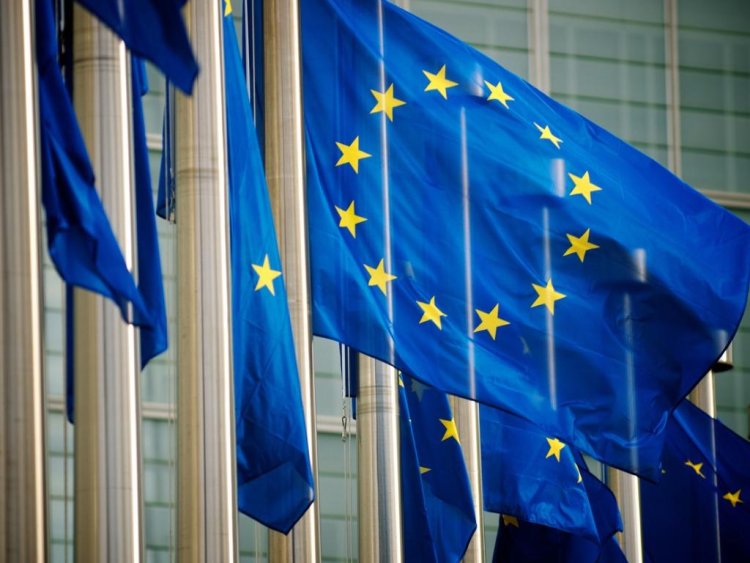
The European Union is making significant strides toward its 2030 climate targets, reducing greenhouse gas emissions and expanding renewable energy capacity. While challenges remain, the bloc’s progress positions it as a global leader in the transition to a low-carbon economy.
The EU has committed to reducing greenhouse gas emissions by at least 55% by 2030, compared to 1990 levels, as part of its Green Deal and broader goal of carbon neutrality by 2050. Recent data shows the bloc is on track to meet these targets, driven by policies promoting renewable energy, energy efficiency, and sustainable transport. Investments in wind and solar energy have significantly increased the EU’s clean energy capacity, with renewables accounting for over 40% of electricity production in recent years. Green hydrogen projects are also gaining momentum, offering a solution for decarbonizing industries like steel and shipping.
The EU’s updated CO2 regulations for carmakers, which provide flexibility through 2027, are encouraging the shift to electric vehicles (EVs) and hybrids. These rules, combined with subsidies for EV purchases and investments in charging infrastructure, are reducing transport-related emissions, which account for a quarter of the EU’s total emissions. The bloc is also implementing energy efficiency standards for buildings and appliances, further cutting emissions. The Corporate Sustainability Reporting Directive (CSRD) requires companies to disclose detailed environmental data, enhancing transparency and accountability.
Despite this progress, challenges persist. The EU needs to accelerate investments in grid infrastructure to support renewable energy integration and EV charging. Rural areas, in particular, lack adequate charging networks, limiting EV adoption. Additionally, the high cost of transitioning to clean technologies remains a barrier for some industries. The EU is addressing these issues through funding programs like the Just Transition Fund, which supports regions dependent on fossil fuels, and by promoting public-private partnerships.
The bloc is also working to secure sustainable supplies of critical minerals for batteries and renewable technologies, reducing reliance on imports through recycling and partnerships with resource-rich countries. These efforts are critical to maintaining progress toward 2030 goals. The EU’s Emissions Trading System (ETS) continues to incentivize emissions reductions by putting a price on carbon, encouraging industries to adopt cleaner technologies.
International cooperation is another key focus, with the EU leading global climate negotiations and supporting developing nations through climate finance. The bloc’s progress is a model for other regions, but achieving 2030 targets will require sustained policy support, technological innovation, and consumer engagement. Continued investment in R&D, particularly in emerging technologies like carbon capture and storage, will be essential to closing the gap to net-zero by 2050.
Conclusion
The EU’s progress toward its 2030 climate goals highlights its leadership in the global energy transition. By addressing remaining challenges and scaling up investments, the bloc can achieve its ambitious targets and inspire global climate action.
Source : ESG Today
What's Your Reaction?