The EU has introduced stricter regulations in 2025 to combat unsustainable fishing by developing nations, focusing on protecting marine ecosystems and promoting sustainable practices. The measures include import controls, enhanced monitoring, and penalties for non-compliance, with support offered to help nations meet standards.EU implements 2025 regulations to curb unsustainable fishing by developing nations, enforcing import controls and monitoring to protect marine ecosystems and promote sustainable trade.
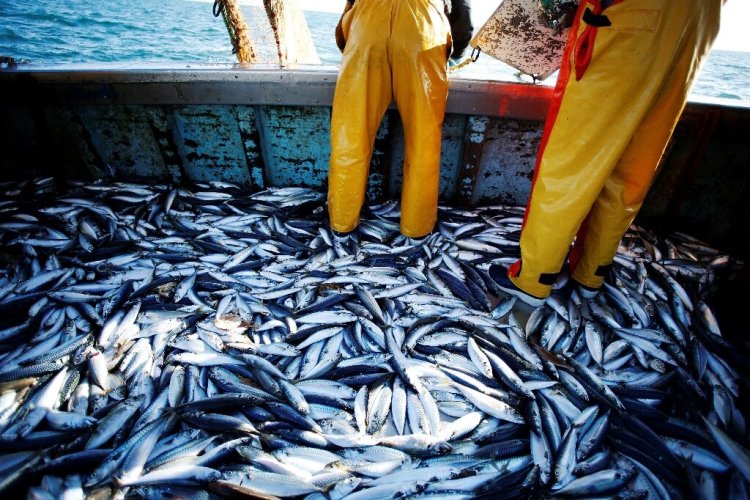
The European Union has introduced stricter regulations to address unsustainable fishing practices by developing nations. These measures aim to protect marine ecosystems, promote sustainable fishing, and ensure fair trade practices. The initiative responds to growing concerns about overfishing and its impact on global fish stocks and biodiversity.
The European Union has implemented new measures to curb unsustainable fishing by developing nations, focusing on environmental protection and resource conservation. Finalized in 2025, these regulations strengthen the EU’s framework for monitoring and regulating fishing activities by non-EU countries. The rules target nations with weak governance or inadequate fisheries management, which often contribute to overfishing and illegal practices. The EU’s approach includes stricter import controls, enhanced monitoring of fishing vessels, and penalties for non-compliance.
Fish imports from countries failing to meet sustainability standards now face restrictions. The EU has expanded its Illegal, Unreported, and Unregulated (IUU) fishing regulations to include more rigorous checks on fishing practices. Vessels from non-compliant countries must provide detailed documentation of their catch, including origin and methods used. Non-compliance can lead to bans on market access, impacting countries reliant on EU markets for their fish exports. The EU has also increased satellite surveillance and port inspections to track fishing activities more effectively.
The regulations address specific environmental concerns, such as the depletion of fish stocks and damage to marine habitats. Overfishing has reduced populations of key species, threatening food security and livelihoods in coastal communities. The EU’s measures encourage developing nations to adopt sustainable practices by linking market access to compliance. Technical assistance and capacity-building programs are offered to help these countries improve their fisheries management.
Data from the EU’s fisheries monitoring program shows a decline in illegal fishing incidents since the introduction of earlier regulations, but challenges remain. Developing nations often lack the resources to enforce sustainable practices, leading to continued overfishing in some regions. The new rules aim to close these gaps by setting clearer standards and increasing accountability. The EU collaborates with international organizations to ensure global alignment on sustainable fishing goals.
Implementation involves coordination between EU member states and third countries. Regular audits assess compliance, and non-compliant nations face phased sanctions, starting with warnings and escalating to trade restrictions. The EU has also established a certification system for sustainable fisheries, which allows compliant countries to gain preferential market access. This incentivizes investment in sustainable practices and strengthens global efforts to protect marine ecosystems.
The regulations also consider the economic impact on developing nations. While some countries may face short-term trade losses, the EU argues that sustainable practices will benefit them in the long term by preserving fish stocks and supporting local economies. The EU has committed funds to support training and infrastructure development in affected countries.
Enforcement began in early 2025, with initial focus on high-risk regions. Preliminary reports indicate improved compliance among some nations, but others struggle to meet the new standards. The EU plans to review the regulations’ impact annually, adjusting measures based on progress and challenges. The initiative reflects the EU’s broader commitment to environmental sustainability and responsible global trade.
Conclusion
The EU’s stricter regulations on unsustainable fishing by developing nations mark a significant step toward protecting marine ecosystems. By enforcing compliance through trade measures and supporting capacity-building, the EU aims to balance environmental goals with economic considerations. The success of these rules will depend on global cooperation and ongoing monitoring to ensure sustainable fishing practices worldwide.
Source: ESG News
What's Your Reaction?