EU adopts new vehicle rules to boost recycling, reuse and automaker responsibility across the lifecycle.
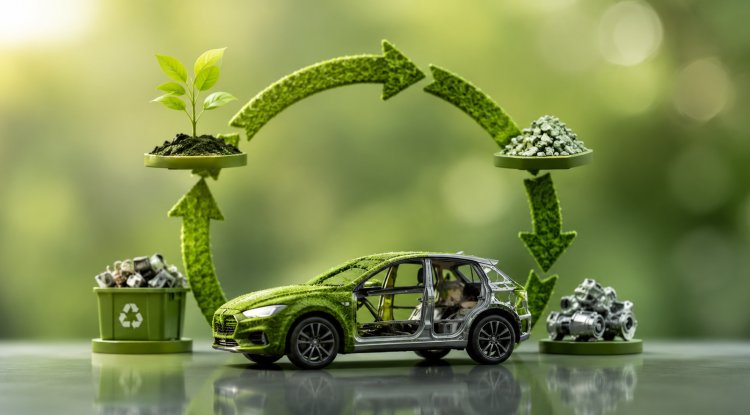
European Council adopts new rule on circular economy, vehicle recycling and EOLV, EPR and sustainable design requirements for the automotive sector. The purpose of the regulation is to make vehicles more desirable to recycle, reuse, repair and recover throughout their life cycle.
The EU Member States' adoption of the regulation is the final phase in the process, following the approval of the regulation by the European Parliament earlier in June 2026. Two current directives are anticipated to be replaced by the new rules, which will set out a single framework for vehicle design, production, vehicle scrappage and recycling requirements.
Regulation for linking to the European Green Deal and Circular Economy Goals.
The regulation was first put forward by the European Commission in 2023 as part of the European Green Deal and Circular Economy Action Plan. It was launched in response to the issues related to waste from vehicles and the growing need for materials used in the automotive sector.
The framework is centered on the enhancement of the design of the vehicle to make parts more easily disassembled, repaired, reused and recycled at the end of its useful life. It also seeks to improve the recovery of valuable materials and minimize reliance on virgin materials.
New vehicles will meet recycled content requirements.Recycled Content Requirements for New Vehicles.
Requirements for vehicle manufacturing of recycled materials, in particular recycled plastics, are included in the regulation. The first proposal called for new vehicles to be 25% plastic from post consumer waste, including recycled end-of-life vehicles.
But the final agreement that the Council reached with the European Parliament cut back on the original targets. The regulation adopted will require that vehicles be 15% recycled plastic by six years after the rules come into effect. This requirement will increase to 25% after 10 years, with 20% of the recycled plastic required to come from end-of-life vehicles.
The rule also calls on the European Commission to evaluate recycled content requirements for materials such as steel, aluminium, magnesium, and critical raw materials in the future. A feasibility study will be carried out one year after the regulation comes into effect and these targets will be taken into account.
The issue now is that automakers are taking on more lifecycle responsibilities.
One of the key components of the new regulation is the introduction of ‘extended producer responsibility' for vehicle manufacturers. Automakers will be paying for vehicles over their entire life cycle, including when they are "waste.
Responsibility covers the promotion of circular vehicle design, the appropriate management of end-of-life vehicles and free take-back systems. This will allow the end-of-life vehicle to be treated by the final owner, without having to pay for the disposal.
The rule is more up-to-date and emphasises the need for manufacturers to ensure that vehicles are operated at authorised treatment centres to improve recycling and to prevent inappropriate disposal.
Unroadworthy used vehicles are prohibited from being exported.
The new rules also place limits on the export of “abandoned” vehicles that are no longer roadworthy. EELVs will not be allowed to be legally exported or sold as used vehicles.
These vehicles need to be disposed of by authorized treatment centers to ensure they are disassembled, recycled and treated as waste in an appropriate manner. The measure seeks to reduce the environmental effects from sending out-of-use cars to areas with less facility for recycling.
Rules to be followed after 2 years
The regulation will be in force two years after it is published. It will fully apply to passenger cars and light commercial vans, and to a lesser extent to heavy-duty trucks, motorcycles and special-purpose vehicles.
The European Union hopes the new system will enable the achievement of higher recycling targets and better resource efficiency, as well as stimulate vehicle manufacturers to incorporate circularity principles into the development of future vehicles.
What's Your Reaction?