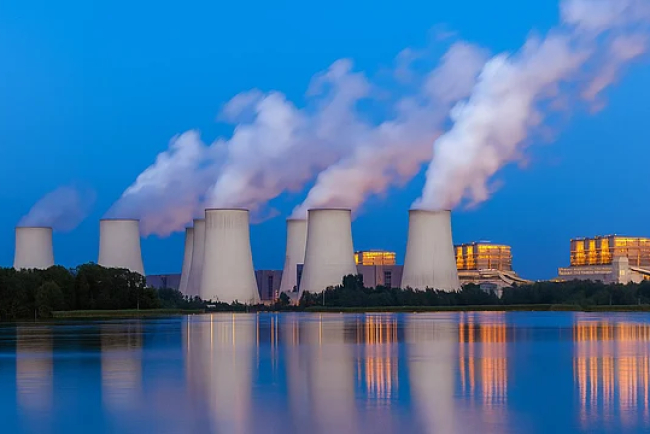
Europe Faces Cold Winters if Atlantic Current Collapses
A study warns that the collapse of the Atlantic Meridional Overturning Circulation could bring colder winters to Europe, despite global warming, while disrupting global monsoons and rainfall patterns. Europe may face colder winters if the Atlantic Meridional Overturning Circulation collapses due to global warming, with global monsoon disruptions possible. Learn about the risks and impacts.
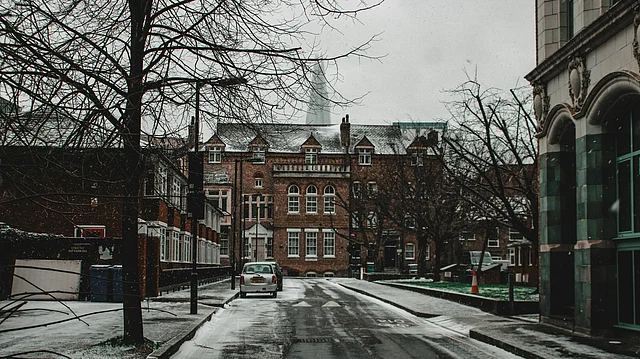
A recent study highlights a potential climate risk for Europe: a collapse of the Atlantic Meridional Overturning Circulation (AMOC) could lead to colder winters, despite global warming. This ocean current, which includes the Gulf Stream, carries warm water to northern Europe, moderating its climate. If it weakens or stops, significant weather changes could occur, affecting millions.
The AMOC moves warm water from the tropics to the North Atlantic, where it cools, sinks, and flows south, driving global ocean circulation. Research shows that global warming, by heating ocean waters and melting ice, adds freshwater to the North Atlantic, reducing water salinity and density. This disrupts the sinking process, weakening the AMOC. A collapse could lower winter temperatures in northern Europe significantly. For example, London, where average winter lows are around 1.9°C, could see cold extremes drop to -19.3°C once a decade. In Scandinavia, temperatures might reach -40°C or lower, causing infrastructure challenges. The study also notes global impacts, such as a southward shift of the Intertropical Convergence Zone, which could weaken monsoon systems in India, West Africa, and the Amazon, altering rainfall patterns in the tropics. Europe’s cooling would contrast with global warming trends, creating a unique regional challenge. Mitigation requires reducing greenhouse gas emissions to slow ice melt and ocean warming, though the AMOC’s tipping point remains uncertain. Preparation for colder winters, including energy and infrastructure planning, is critical.
Conclusion
The potential collapse of the AMOC poses a serious threat to Europe’s climate, with colder winters possible even as the planet warms. Global effects, including disrupted monsoons, underscore the need for coordinated climate action. Reducing emissions and preparing for extreme weather are essential to address this risk.
Source : Outlook Business:
What's Your Reaction?