European researchers warn that fragmented policies are limiting efforts to restore wild pollinator populations and outline recommendations to strengthen biodiversity conservation.
Europe could face a further decline in wild pollinator populations unless governments address policy gaps affecting biodiversity, according to a new study. The research, Towards Pollinator Stewardship in All Policies: Policy Incoherence in the EU is a Major Barrier to Pollinator Restoration, was prepared by 135 researchers from eight European Union-funded projects, including BUTTERFLY, RestPoll, ProPollSoil and PolinERA, with contributions from Aarhus University.
The researchers found that European Union policies affecting pollinators are divided across agriculture, environmental protection, chemicals regulation, trade and finance. They argue that this fragmented approach has weakened efforts to restore wild pollinator populations.
Why are pollinators vital?
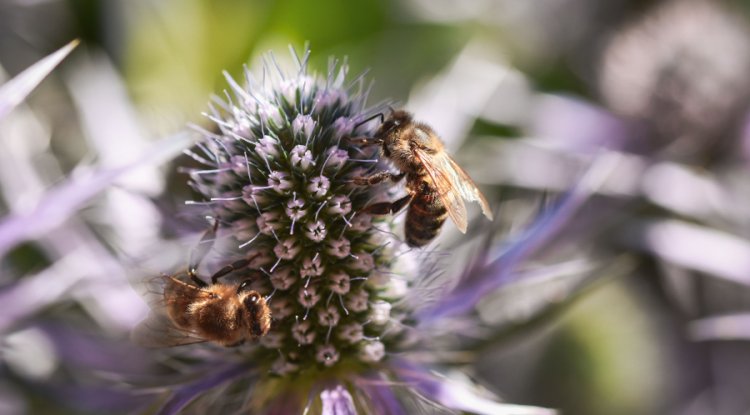
Flower pollination is carried out by such insects as bees, butterflies, moths, and other insects. The study associates the decline in the numbers of wild pollinators with various environmental factors affecting ecosystems, such as habitat loss, changes in land use, and other human activities.
What is preventing restoration of pollinators?
According to the authors, lack of coordination between policy areas is one of the major obstacles to restoring pollinator populations. The reason lies in the fact that the implementation of conservation measures adopted within separate policy areas works separately.
The authors of the study suggest that conservation efforts should be assisted by scientifically backed policy that is coordinated across relevant departments involved in agriculture, biodiversity, and environmental protection.
Is the current conservation work sufficient?
According to the researchers, the current conservation efforts have achieved varied success. According to the report, while many farmers plant flower strips to attract pollinators, what is lacking is awareness that some moths can prove to be better pollinators than honeybees on specific crops and even wildflowers.
The research reveals another gap: that policymakers and other stakeholders who impact pollinator habitats lack sufficient knowledge about pollinators and ecosystem management. The recommendation made is to educate more widely on pollinators and ecosystem management in various fields of study and practice.
What are the recommendations of the report?
The report has 15 recommendations to bolster pollinator restoration in Europe. The recommendations call for better coordination of government policies, updating of laws, more science-based decision-making, agricultural methods that will boost pollinators, and education on biodiversity.
According to the researchers, it will take concerted effort to restore wild pollinator populations. Better coordination of policies on the environment, agriculture, and the economy can improve protection of pollinators and their habitat.
What's Your Reaction?