A record-breaking heatwave has triggered health alerts, school closures, and transport disruptions across Europe, with scientists linking more frequent extreme heat to climate change.
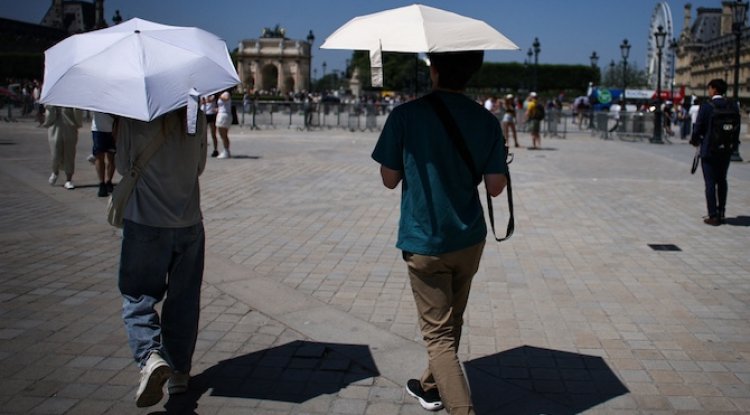
A heatwave has struck most parts of Europe, bringing about health warnings, closure of schools, and disruption of transport, following unusually high temperatures recorded in some countries during June.
It was reported that France recorded its highest-ever day temperature since records started in 1947. The average daily and nightly temperatures in France stood at 29.8°C, as per information from the Meteo-France weather bureau. Health red alerts have been raised in different parts of France, Spain, Italy, and the UK, with health officials urging people to remain indoors and hydrated.
Repeated heatwaves have been identified by scientists as clear signs of climate change. Climate change is the result of the emission of greenhouse gases following the use of fossil fuels.
Which countries were affected?
There were reports of disruptions in France, Spain, Italy, and the UK as the temperature rose.
Over 300 schools in England were forced to shut down early due to classrooms becoming too hot. Train services were also affected after some decided to reduce or cancel services in fear of damage that could be caused by extreme temperatures.
Heat warnings were placed in almost all parts of Spain, with the southern and northern regions being under the highest level of warning. In Italy, red heat warnings were issued for 15 cities, including Rome and Milan, and the high demand for electricity for air conditioning led to blackouts in Milan and Turin.
Other countries such as Austria, Poland, Hungary, and Croatia also issued heat warnings, while emergency services in Hungary and Slovenia recorded an increase in calls from older citizens due to the heat.
What causes such high temperatures?
According to meteorologists, this heat wave results from a huge mass of hot air that travels north from North Africa. A weather system over the Atlantic Ocean assists with bringing the warm air into western Europe, whereas high pressure traps the heat.
The UK Met Office issued a warning that the temperatures might reach 40°C, which is an extremely high temperature for June.
What dangers can it bring to people's health?
Health experts advised citizens not to engage in any intensive physical activity during the hottest time of the day and to be especially attentive regarding elderly people, children, and those suffering from some illnesses.
Also, the heat affects workplaces. Workers of factories in eastern France were released earlier than usual because of overheating inside premises at the level of 40°C, while some hospital employees in certain regions of Spain also noticed extremely high temperatures indoors owing to a lack of ventilation.
This heat wave once more highlights the problems that Europe faces in coping with heat periods.
What's Your Reaction?