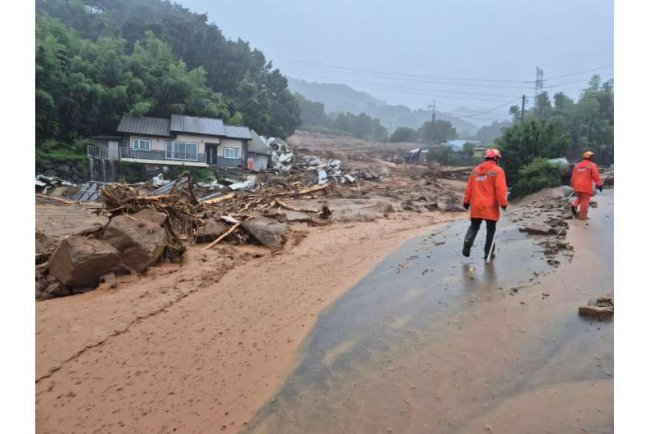
Farms May Exit Food Output To Boost Nature Efforts
England plans to shift unproductive farmland to nature use, aiming to boost biodiversity while sustaining food output.
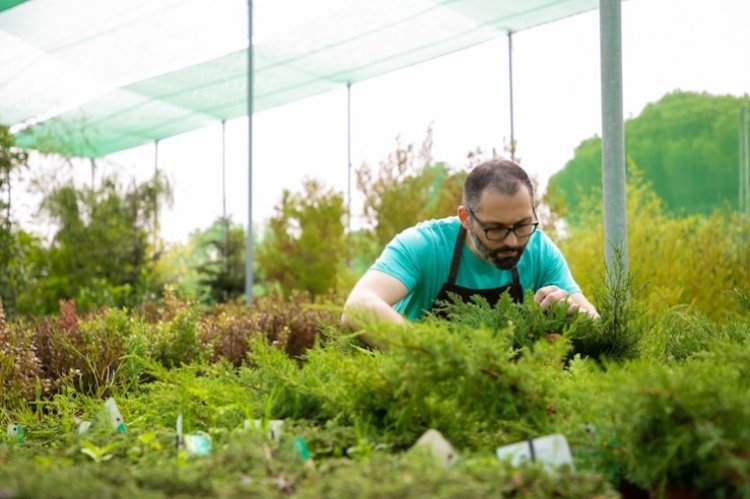
England's countryside is to be turned on its head as Environment Secretary Steve Reed unveiled new plans that would have some farms completely removed from food production. The move, as part of a post-Brexit change in policy towards land use, is hoped to strike a balance between restoring the environment and the demand for sustainable food production farming. Referring to the Groundswell farm festival in Hertfordshire, Reed explained the government's plan to redefine farming subsidies and bring in a new land use system to redistribute land for nature, food, housing, and energy more effectively.
Under the new system, farming will be incentivized on more productive land, while less productive land — especially in upland areas — would be removed from growing food altogether. These regions, in the analytical annex to the land use framework classified as the least productive, are heavily dependent on subsidies from the government. Reed emphasized that farmers would not be compelled to leave food production but that the information in the new land use system would necessarily influence how farming budgets were allocated.
The land-use plan relies on a twin objective: to sustain or increase food production where it is most productive, and at the same time free poorer land for nature-led plans like wildflower meadows, ponding, and peatland restoration. "You maintain outputs, or increase outputs, while increasing the space for nature," Reed said. "We don't have a great deal of land here in this country for the different demands we make on it… and we need to ensure that we are making the best use of [it] for all those purposes."
Reed accepted that these adjustments could have potentially destabilizing impacts, particularly for the upland farmers whose prosperity is greatly dependent on government subsidy. In the absence of subsidies, they would never be in a position to make a profit in most of these farms. Farmers might be incentivized to remove some land from cultivation voluntarily in certain situations — for instance, in return for land management for biodiversity, peatland restoration, or sowing wildflowers.
In order to overcome these challenges, Reed emphasized the government's determination to assist the farming communities during the transition. Looking back on his childhood during the economic transitions in the 1980s, he went on to add: "I was raised in the 80s, and the Thatcher government at the time dismantled the industry that my whole family used to work in, and nothing was done.". So those communities were lost, and part of why I became interested in politics was so that cannot happen again.
Part of its plan to help farmers is the reintroduction of a £150 million fund that will compensate farmers for green practices, such as preventing wildfires, altering slurry storage, and providing educational tours. Starting from next year, the scheme will also compensate farmers for excavating ponds to hold water and promote biodiversity, compensating farmers financially for caring for the environment.
Further, Reed noted that the green agriculture plan, introduced by Conservatives as their post-Brexit proposal, is to be redrafted. Originally intended to change farmers' payment from acreage subsidy to incentives for environmental gains, the program incentivizes farmers to minimize pesticide application, plant hedgerows, and create wildflower fringes. The scheme's fate now balances in the air as recent budget examinations by government assigned cuts to budgets of £100 million annually on average until 2029.
Such pre-emptive reductions are worrisome, particularly when there is increasingly informed awareness regarding the effects of the climate crisis on farming. According to a recent survey, over 80% of UK farmers are concerned about the danger that climate change poses to their businesses. This figure renders the imposition of practices which render farming sustainable and maintain the environment as a matter of utmost necessity.
Reed's advice recognises a policy turning point at which environmental imperatives meet up with farm realities. By redistributing land according to productivity and environmental potential, the government aims to establish a more sustainable relationship between food security and nature conservation. With budget reductions and possibly transformative changes for rural life in the offing, the success of this transformation will hinge significantly on the extent to which the government backs farmers and communities through the transitions ahead.
What's Your Reaction?