Fossil Fuel Firms Linked to Rising Heatwaves: Study
Researchers examine 213 global heatwaves that occurred between 2000 and 2023, utilising disaster records and advanced attribution science
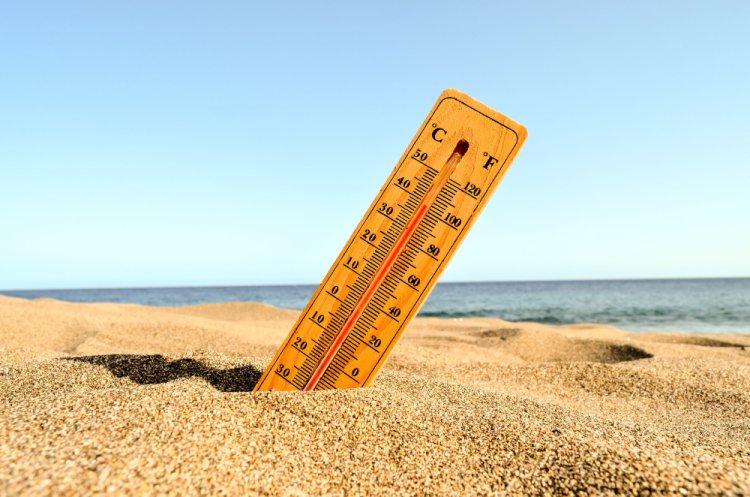
Heatwaves that scorch cities, dry up rivers, and strain public health systems are no longer just “acts of nature.” A new study published in Nature has drawn a direct link between some of the world’s largest fossil fuel and cement companies and the increasing intensity of extreme heat.
Researchers examined 213 global heatwaves that occurred between 2000 and 2023, utilising disaster records and advanced attribution science. Their conclusion: emissions traced back to the so-called “carbon majors” — the largest corporate emitters — are responsible for about half of the observed rise in heatwave intensity since pre-industrial times.
The numbers are stark. Heatwaves are becoming far more common and intense. Between 2000 and 2009, they were 20 times more likely than in the 19th century. By 2010–2019, that jumped to 200 times. Their strength also rose, with temperatures climbing from 1.4°C above pre-industrial levels in the early 2000s to 2.2°C between 2020 and 2023.
The research also underscores that it’s not just a handful of oil giants to blame. While the top 14 carbon majors account for a large chunk of the damage, even smaller companies have contributed meaningfully to global heating and the deadly heatwaves that follow.
This attribution is a breakthrough. Until now, event attribution science often focused on single extreme events. By scaling it across two decades of disasters, the study makes the connection between corporate emissions and human suffering harder to deny.
“This establishes a causal chain: from a company’s emissions to global warming to increased heatwave risks,” the authors note. For many years, companies around the world have been trying to cope with global warming, still not been able to maintain the increased temperature. It shows a lack of adaptation to sustainability and accountability.
The study does not ignore uncertainties. Heatwave records remain patchy in some regions, and incomplete emissions reporting adds gaps. Aerosols and other climate variables complicate attribution. Still, the direction of the evidence is clear: the fingerprints of major emitters are now visible on the hottest days of our lives.
As the world approaches another El Niño–La Niña transition and volatile weather patterns intensify, the study’s timing is pointed. The next time a record-shattering heatwave strikes, the question may no longer be “why did this happen?” but “who is responsible?”
What Is A Heatwave
Heatwaves — when it gets dangerously hot for many days — are happening more often and getting stronger. A new study says this is not just nature’s doing. Big companies that make oil, gas, coal, and cement have released so much pollution that they are a big reason why the Earth is heating up.
The study shows that pollution from these companies has made about half of this extra heat worse. It’s not just a few companies, but many of them, big and small, that have added to the problem. For countries like India, this is serious because heatwaves kill people, dry up rivers, and hurt farming. The study also says the world now needs to think about who should take responsibility and help pay for the damage caused by extreme heat.
What's Your Reaction?